


Understanding how many brake pads typically come in a box is crucial for effective auto maintenance and ensuring your vehicle’s safety. Most brake pad sets include four pads, enough for a complete axle replacement. Knowing this not only helps in budgeting but also ensures that you’re prepared for timely replacements, maintaining optimal brake performance.
Understanding Brake Pad Quantities: What to Expect in a Box
When you’re gearing up to replace your vehicle’s brake pads, understanding what to expect in terms of quantities can help simplify the process and ensure you’re fully prepared for your automotive project. Most commonly, brake pads are sold in sets that correspond to the vehicle’s braking system configuration, which is essential for maintaining balanced and effective braking performance.
Typically, a box will contain a set of either 4 or 2 brake pads, meaning you can buy a full set for both front and rear brakes or just for one axle. Here’s a breakdown of what you might find:
- Front Brake Pads: Usually sold in sets of 4 to accommodate both left and right sides.
- Rear Brake Pads: Generally, a set also includes 4 pads.
- Individual Pads: In some cases, specific types may be available individually for replacement purposes.
Ensuring that you replace brake pads in pairs (both left and right sides) on the same axle not only promotes even braking force but also prevents your vehicle from pulling to one side. Not only does even wear help with performance, but it also reduces unnecessary stress on the brake system components, which can prolong their lifespan and improve your car’s overall safety and reliability.
Moreover, when purchasing, take note of how many pads are required for your specific vehicle model, as this can vary. It’s advisable to consult your vehicle’s manual or seek guidance from a professional to ensure you have the correct type and number of pads before you start your brake maintenance installation. By being informed about how many brake pads come in a box, you’re one step closer to confidently tackling your brake maintenance needs.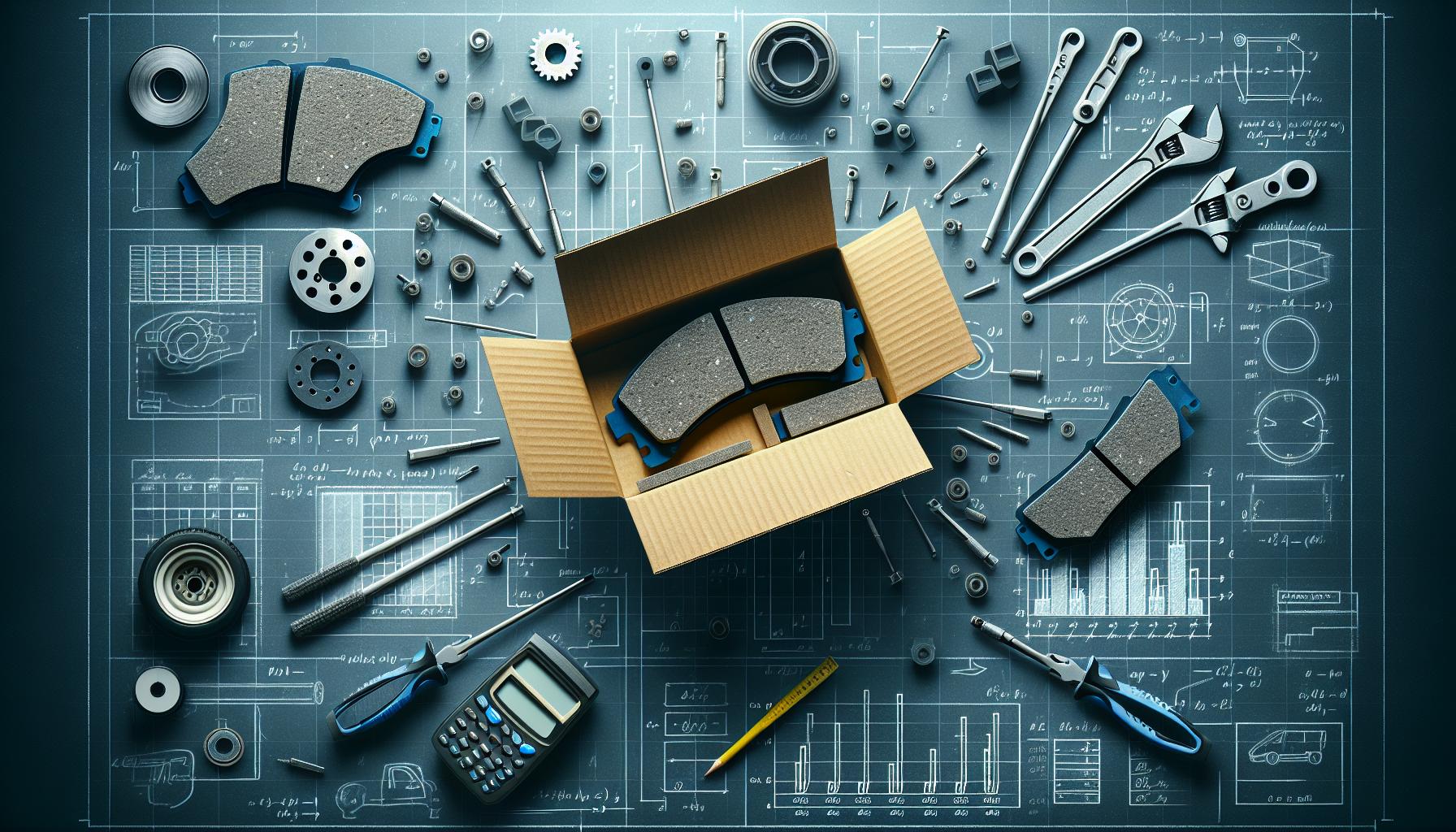
Types of Brake Pads and Their Packaging Options
Understanding the different types of brake pads available is essential for vehicle maintenance, ensuring optimal performance and safety on the road. Each type of brake pad is uniquely designed to meet specific driving needs and preferences, and packaging options add another layer of functionality and appeal. Armed with this knowledge, you can make informed decisions while considering your brake pad replacement needs.
Types of Brake Pads
There are several common types of brake pads, each offering distinct advantages:
- Ceramic Brake Pads: Known for their durability and quiet operation, ceramic brake pads are ideal for everyday driving. They produce less dust compared to other types, making them easier to maintain and more appealing to drivers concerned about their wheels’ cleanliness.
- Semi-Metallic Brake Pads: These pads consist of a mixture of metal fibers and other materials, offering excellent heat dissipation and durability. They are well-suited for high-performance vehicles and those subjected to heavy braking conditions.
- Organic Brake Pads: Made from a variety of organic materials, these pads are quieter and provide a smooth braking experience. However, they may wear out faster than other types and could create more brake dust.
- Low-Metallic NAO Pads: Similar to organic pads, low-metallic NAO pads include a small amount of metal to improve performance and reduce fade. They offer a balance between quiet operation and effective braking, though they may generate more noise than pure organic options.
Packaging Options
The packaging of brake pads is just as important as the pads themselves, serving both functional and marketing purposes. Well-designed packaging can attract customers while protecting the product during transport and storage. Common packaging options include:
| Packaging Type | Description |
|---|---|
| Cardboard Boxes | Lightweight and customizable, cardboard boxes can be designed with vibrant graphics to enhance brand visibility. |
| Plastic Blister Packs | These provide a clear view of the product and offer excellent protection, making them ideal for retail displays. |
| Eco-Friendly Packaging | Utilizing sustainable materials can appeal to environmentally conscious consumers and set your brand apart. |
When purchasing or manufacturing brake pads, consider the type and packaging that best aligns with your needs. Quality packaging not only secures the brake pads but also enhances your product’s marketability, making it crucial for both manufacturers and consumers. Whether you’re a DIY enthusiast or a professional mechanic, understanding how many brake pads come in a box and choosing the right types and packaging options can streamline your auto maintenance essentials.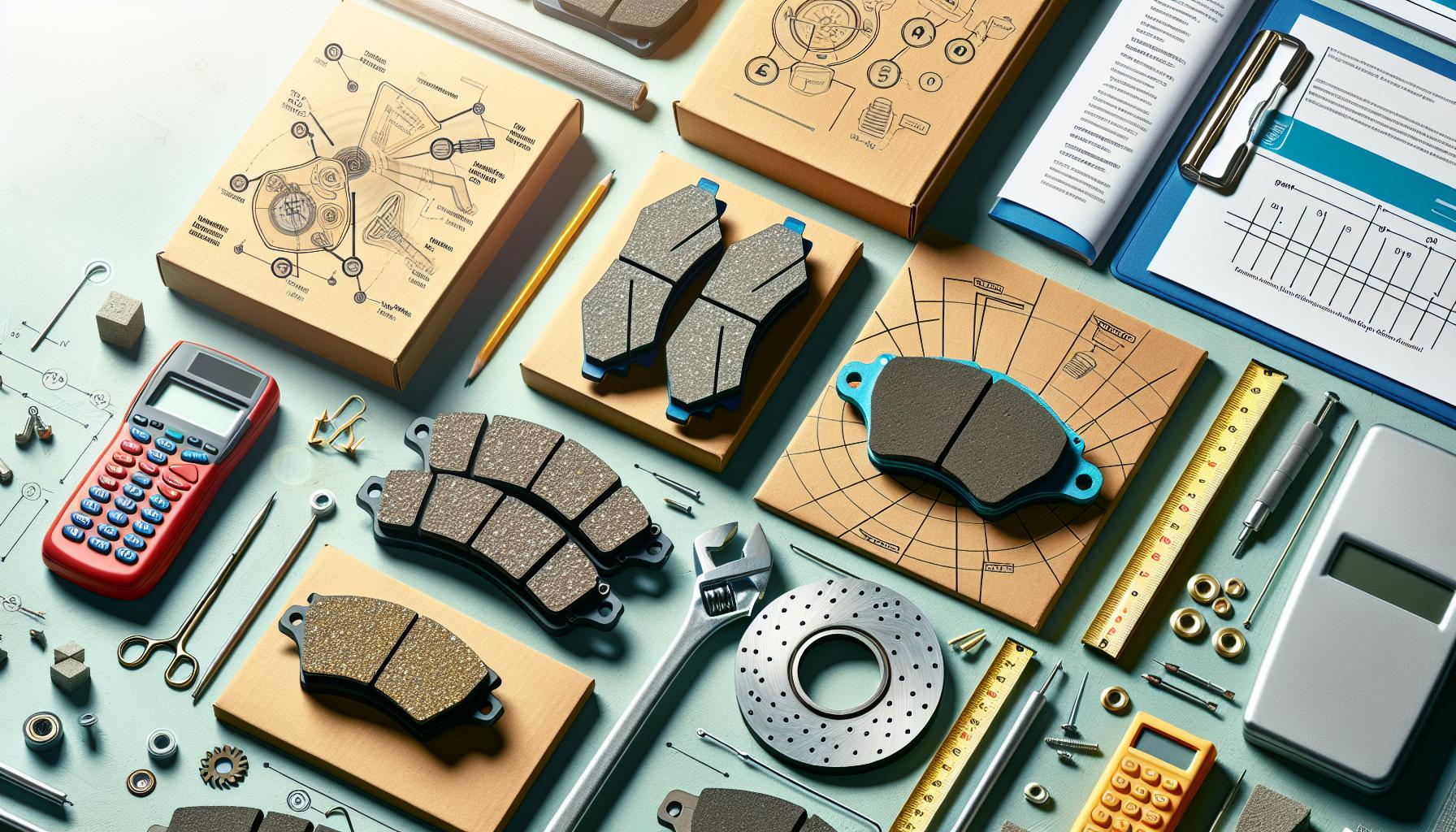
Factors That Influence the Number of Brake Pads in a Package
Understanding the variables that determine how many brake pads come in a package can empower you to make informed decisions about auto maintenance essentials. While it’s common to find packages containing either two or four pads, several factors influence these quantities. The type of vehicle, the design of the brake system, and the specific product offerings from manufacturers all play significant roles.
Vehicle Type and Brake System Design
The number of brake pads in a package is closely related to the vehicle type and its braking system. For instance, many standard vehicles utilize a disc brake system that generally requires four pads-two for each wheel. Conversely, some vehicles, particularly those with rear drum brakes, may contain only two pads per package designed for the front brakes, which are typically disc brakes. Always consult your vehicle’s service manual to confirm the necessary parts.
Manufacturer Variability
Not all manufacturers package their brake pads the same way. Brands may choose to offer pads in sets of two or four based on their market strategy, aimed at providing convenience or reducing costs for retailers and customers. This variability means that when assessing how many brake pads come in a box, it’s crucial to research different brands and compare their offerings. As a practical step, consider registering with reputable auto parts suppliers to receive updates on products that best match your vehicle’s needs.
Cost Considerations
Cost can also be a significant factor influencing the number of brake pads in a package. A package that includes additional components, like shims or hardware, might contain fewer pads but offer better overall value when you consider the entire set required for a brake job. When budgeting for brake maintenance, consider not just the upfront cost of the pads but the additional expenses that might arise, such as rotors or labor.
By keeping these factors in mind, you can make smarter, more confident choices regarding auto maintenance. Whether you are a novice preparing to tackle your first brake job or an experienced DIYer, understanding these nuances will help you choose the right products and ensure your vehicle’s safety on the road.
DIY or Professional Installation: How Many Pads Do You Need?
When it comes to brake pad installation, understanding how many pads you need is crucial for your vehicle’s maintenance and your safety on the road. Whether you choose to go the DIY route or seek professional help, knowing what you’re up against can make the process smoother. Most brake pad sets typically come with either two or four pads per box, depending on whether you’re replacing the front, rear, or both. Some high-performance options may vary, so always check the product specifications.
Making the choice between DIY installation and hiring a professional can depend on several factors, including your comfort level with car maintenance, the tools you have at your disposal, and your budget. For those who relish the challenge of hands-on projects, changing brake pads can be an empowering task. You’ll not only save money but also gain invaluable experience in automotive care. Generally, the process involves removing the wheel, loosening the caliper bolts, retreating the caliper piston for new pads, and finally reattaching everything securely. Additionally, borrowing tools from local automotive retailers like AutoZone can significantly reduce costs and simplify the procedure [[2]].
On the other hand, if you’re uncertain about the installation process or lack the necessary tools, consider enlisting a professional. While it may come with a higher price tag, a qualified mechanic will ensure the job is done correctly and safely, adhering to all manufacturer specifications. Professionals typically charge for labor and parts, so it’s wise to explore options and get multiple quotes to ensure you receive a fair price.
In deciding which route to take, make a checklist of your needs: do you have the right tools? Are you comfortable with the risks involved? Additionally, remember to factor in the long-term savings of maintaining your vehicle versus immediate costs. Whatever path you choose, understanding how many brake pads come in a box is just the beginning of maintaining your vehicle’s safety and performance.
The Importance of Selecting the Right Brake Pads for Your Vehicle
Selecting the right brake pads for your vehicle is akin to choosing the right shoes for a long hike-incorrect choices can lead to discomfort, inefficiency, and even danger. Quality brake pads are essential for safe and effective braking, significantly influencing your vehicle’s overall performance and your safety on the road. Given that brake pads wear down over time due to friction and heat, understanding your specific needs based on driving habits and vehicle type is crucial. With various options available, making an informed decision can enhance your vehicle’s braking system and prolong its lifespan.
When considering replacement brake pads, it’s essential to evaluate several factors:
- Material: Brake pads are typically made from one of three materials: organic, semi-metallic, and ceramic. Organic pads are quieter and produce less dust, making them suitable for everyday driving. Semi-metallic pads offer better performance under high temperatures, whereas ceramic pads provide a balance of durability and quiet operation.
- Compatibility: Ensure that the brake pads you select are compatible with your specific make and model, as even minor differences can affect braking efficiency. Referencing OEM specifications can help guide this selection process.
- Driving Style: Consider your driving habits-aggressive driving and frequent stops require pads with high performance ratings, while normal commuting can work with standard pads.
Each option presents unique advantages, and often, local driving conditions can dictate what’s best for you. For instance, if you frequently drive in hilly areas, opting for pads designed to handle more heat can prevent brake fade during steep descents. Regular maintenance checks should also include an inspection of your brake pads to ensure they’re performing effectively. The best time to replace brake pads is typically every 12,000 miles or as indicated by wear indicators, which reminds you of their importance in your vehicle maintenance routine.
In summary, the right choice of brake pads can significantly impact not just your vehicle’s stopping ability but also your overall driving experience. By considering the material, compatibility, and your personal driving style, you can enhance your vehicle’s performance and ensure your safety on the road, making it a worthwhile investment in your vehicle maintenance journey.
Budgeting for Brake Pad Replacement: Cost Considerations
Understanding the costs associated with brake pad replacement is crucial for effective vehicle maintenance and planning your auto repair budget. Most vehicle owners will inevitably face the need for new brake pads, which typically fall within a price range that can catch many off guard. On average, you can expect to spend between $100 and $300 per axle for brake pad replacement, depending heavily on factors like your vehicle’s make and model, the complexity of the brake system, and even geographical location [1[1, 3].
When considering total costs, it’s important to account for all necessary components. If you’re replacing both brake pads and rotors, the total expense can range from $250 to $400 per axle. This comprehensive approach helps ensure your vehicle remains safe and functional without unexpected future expenses due to incomplete repairs [1[1].
To make budgeting easier, here are some key factors to consider:
- Type of Vehicle: Luxury and performance vehicles often require specialized parts that can dramatically increase costs.
- Brake Pad Material: Standard organic pads are the least expensive, while ceramics and high-performance options cost significantly more.
- Labor Costs: Always check local rates; a complex job in an urban area can cost more than a straightforward task in a rural setting.
By understanding these cost considerations and planning accordingly, you can make informed decisions when it comes to maintaining your vehicle. Engaging in preventive maintenance not only keeps your vehicle performing at its best but also empowers you to tackle expenses head-on, turning what could be a financial burden into a manageable aspect of vehicle ownership. As part of “How Many Brake Pads Come in a Box? Auto Maintenance Essentials,” knowing these figures could guide your choices and help maintain the longevity of your braking system.
Signs It’s Time to Replace Your Brake Pads: What to Look For
Recognizing when it’s time to replace your brake pads can be a crucial aspect of vehicle maintenance that ensures both safety and performance. Your brakes are not just vital for stopping your car; they are integral to your overall driving experience. Ignoring signs of wear can lead to more severe brake issues and potentially costly repairs. Here are key indicators that your brake pads may need attention.
One of the most common signs that brake pads are due for replacement is a squeaking or squealing noise when you press the brake pedal. This sound is typically produced by a built-in wear indicator that lets you know the pads are worn down and need replacing. Similarly, if you hear a grinding sound, this could indicate that the brake pads are completely worn out, and the metal backing plate is coming into contact with the rotor. In this case, it’s crucial to address the issue immediately to prevent damage to the rotors, which can escalate repair costs.
In addition to sounds, pay attention to how your vehicle behaves when braking. If you notice a decrease in braking performance or if your car pulls to one side when you brake, these could be signs of uneven wear on the brake pads. This uneven wear can also be exacerbated by other underlying issues, such as wheel alignment problems or brake fluid leaks, making it essential to have your brakes inspected by a professional if you experience these symptoms.
Another practical tip for monitoring brake pad health is to observe the thickness of the pads themselves. Most brake pads start at about 10-12 mm thick, and when they wear down to around 3 mm, they typically need to be replaced. You can easily check this during routine vehicle maintenance or inspections. Investing in a simple gauge designed to measure brake pad thickness can empower you to take preemptive action before serious issues arise.
Ultimately, staying proactive and addressing these signs appropriately will not only enhance your vehicle’s performance but also ensure your safety on the road. Don’t wait for warning lights to appear; by being vigilant about these signals, you can avoid unnecessary repairs and enjoy a smoothly functioning braking system.
Maintaining Your Brake System: Tips for Longevity and Performance
Maintaining a well-functioning brake system is essential not just for your vehicle’s performance, but also for your safety on the road. Research shows that regular maintenance can significantly extend the lifespan of your brakes and their components. In fact, neglecting your brake system can lead to costly repairs and dangerous situations. By adopting a proactive approach to brake system care, you’re not just ensuring a smooth ride but also safeguarding yourself and your passengers.
- Regular Inspections: Make it a habit to inspect your brake pads, rotors, and fluid levels every few months. Look for signs of wear, such as uneven surfaces, scoring on rotors, or a decrease in fluid levels, which might indicate a leak or deterioration in performance.
- Monitor Brake Pad Wear: Brake pads are designed to wear down over time, so it’s crucial to check their thickness regularly. Most pads come with a built-in wear indicator; listen for a screeching sound when the pads need replacement, which can help remind you when it’s time to act.
- Brake Fluid Maintenance: Regularly check and change your brake fluid as necessary. Old or contaminated fluid can lead to a decrease in brake performance. The fluid should be clear or light golden; if it appears dark or murky, it’s time for a change.
- Avoid Aggressive Driving: Aggressive driving habits such as hard braking and rapid acceleration can wear out your brakes more quickly. Adopting smoother driving techniques can extend the life of your brake components significantly.
Understanding the details of your brake system-like how many brake pads come in a box-can also help you make informed decisions about maintenance and replacement. Generally, brake pads are sold in sets, typically containing four pads-enough for one axle, either front or rear. Be aware that you should ideally replace pads on both sides at the same time to maintain balanced braking performance.
In addition to these proactive measures, consider consulting a professional for annual checks or when you’re uncertain about your brake system’s condition. Benefiting from expert advice tailored to your vehicle can help you stay ahead of any potential issues, ultimately saving you time and money while keeping you safe on the road. Taking these steps not only extends the lifespan of your brake system but also enhances your driving experience overall.
In Conclusion
In summary, understanding how many brake pads come in a box is crucial for effective auto maintenance. Typically, brake pad sets include either two or four pads, depending on whether they are designed for a single axle or both axles of the vehicle. This knowledge not only helps you make a more informed purchase but also ensures you have the right components for your brake repair or replacement projects. As you embark on your auto maintenance journey, remember that proper brake care is vital for safety and vehicle performance. For further insights on brake maintenance and repair, explore additional tips and resources, empowering yourself to take charge of your vehicle’s health confidently. Don’t hesitate to dive deeper into the world of auto care; your vehicle will thank you!


