


Ever found yourself wondering how long that box of freshly brewed coffee will last during your morning meetings? Understanding the number of servings in a standard box of Joe not only helps conserve your stash but also ensures every cup hits the spot. Let’s break down the essentials for your perfect coffee experience!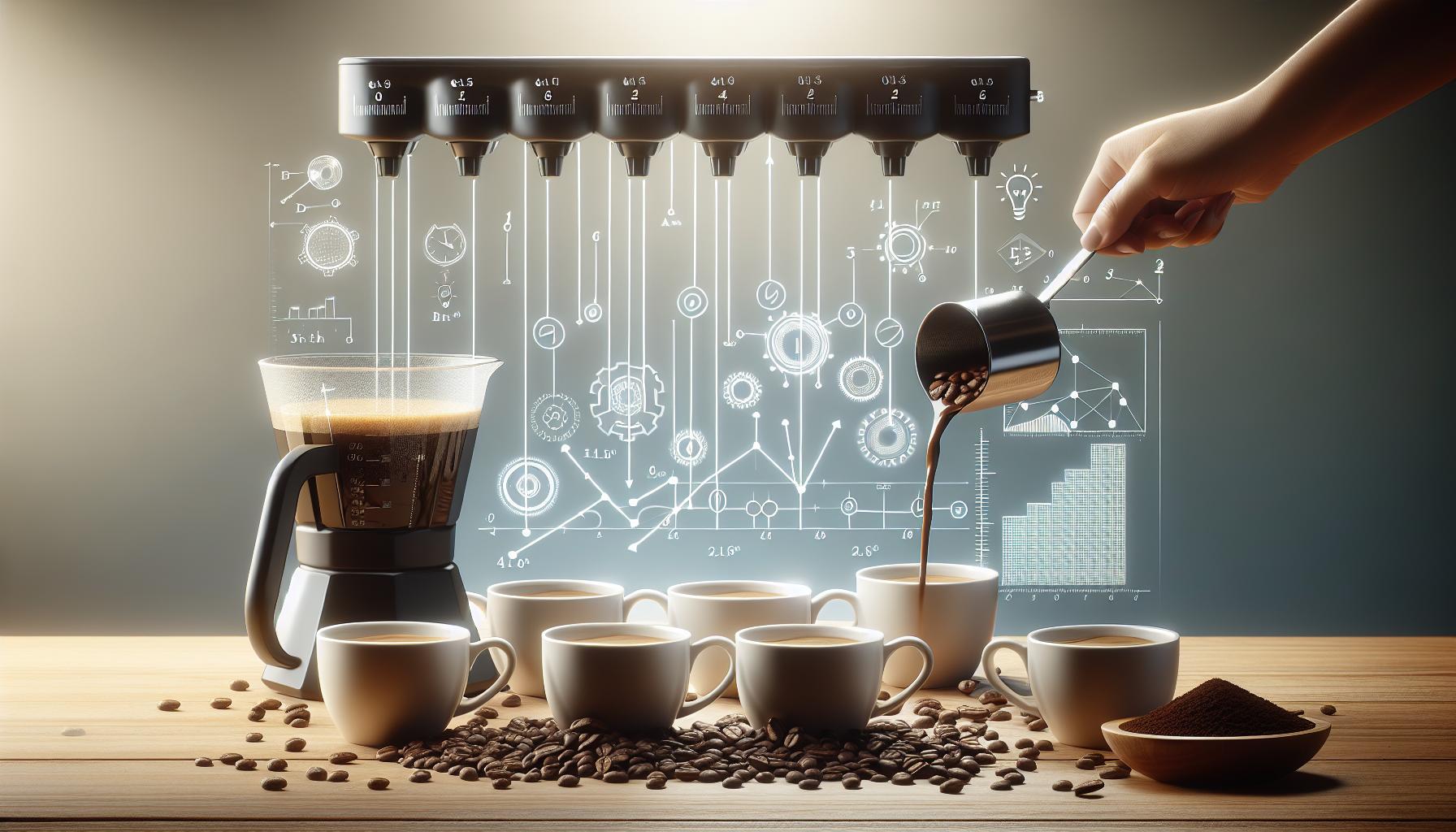
Understanding Box Sizes: How Many Cups of Coffee Can You Brew?
Did you know that the average coffee box can vary significantly in its capacity to brew those rich, aromatic cups of joe? Understanding the box sizes and their respective brewing capabilities can turn your morning routine from a haphazard affair into a well-measured ceremony. Whether you’re gearing up for a bustling family gathering or a quiet afternoon at home, knowing exactly how many cups you can expect from your coffee box is essential.
When it comes to standard coffee boxes, like those often found in office breakrooms or coffee shops, the most common size is usually 96 ounces. This size may seem more significant than it is, especially when you consider that an average cup of coffee is roughly 8 ounces. This leads to a convenient calculation-one box typically yields about 12 cups of coffee. However, it’s essential to note that the strength of the brew can vary based on the coffee-to-water ratio you prefer.
Calculating Your Brew
If you’re wondering how many cups you can make from different box sizes, here’s a handy breakdown.
| Box Size (oz) | Cups of Coffee (8 oz each) |
|---|---|
| 96 | 12 |
| 64 | 8 |
| 48 | 6 |
| 32 | 4 |
Strength and Serving Adjustments
Not only does the size of the box influence the number of servings, but your personal preference for coffee strength also plays a significant role. If you prefer a lighter brew, you may find yourself using more water, which can extend the number of servings from a standard box. Conversely, if you like your coffee strong, a smaller ratio can lead to fewer cups brewed but with a richer taste.
By being mindful of box sizes and your brewing preferences, you can master the art of coffee preparation, ensuring that your next gathering or solo session is both satisfying and perfectly measured. Just remember to keep track of how much coffee you’re using to get the most out of your box and keep your coffee game strong!
The Anatomy of a Cup: Measuring Coffee in Practical Terms
Understanding the anatomy of a coffee cup goes beyond mere aesthetics; it’s the gateway to brewing the perfect cup for your morning routine. When diving into the world of coffee, particularly in determining how many cups are in a box of joe, it’s essential to measure the coffee correctly to enhance flavor and aroma. The way we define a “cup” can significantly differ depending on whether you’re at a café or brewing at home, and getting this right is crucial for coffee lovers looking to maximize their experience.
What Constitutes a Cup?
Generally, a standard cup in coffee brewing is often deemed to be 8 ounces, but this varies significantly across different brewing methods and personal preferences. For different contexts, you might encounter a few variations:
- Standard Brewing: 1 cup = 8 ounces (240 ml)
- Coffee Pot Measurement: 1 coffee pot cup = 5-6 ounces (150-180 ml)
- Espresso: 1 ‘shot’ = 1 ounce (30 ml)
Given these definitions, understanding how many cups in a box of joe requires you to consider the brewing equipment in use and the actual amount you wish to serve.
Real-World Example: Coffee Serving Breakdown
When calculating how many cups you can get from a box of coffee, say a typical 12-ounce bag, keep the recommended coffee-to-water ratios in mind. A standard ratio is about 1 to 2 tablespoons of ground coffee per 6 ounces of water. Depending on your taste, this may vary, but here’s a simplified breakdown on how many servings you could expect from various bag sizes:
| Bag Size (oz) | Cups Yield (6 oz) | Cups Yield (8 oz) |
|---|---|---|
| 12 oz | 24 cups | 18 cups |
| 16 oz | 32 cups | 24 cups |
| 32 oz | 64 cups | 48 cups |
This practical breakdown allows you to visualize your coffee consumption more effectively. As you enjoy your daily brew, keeping these measurements in mind will enable you to optimize your coffee experience while making the most of every box of joe you bring home.
Coffee to Water Ratio: Finding Your Perfect Brew Strength
Brewing the perfect cup of coffee hinges on one crucial factor: the coffee-to-water ratio. This golden rule can make the difference between a delightful cup and a bitter one. With so many variables at play, from bean type to grind size, mastering this ratio is essential for anyone serious about their daily brew. Whether you’re brewing a single cup or an entire pot, understanding how many cups you can yield from your box of joe is key, especially if you’re looking to balance flavor, strength, and your overall coffee experience.
Understanding the Basics
When considering the ideal coffee-to-water ratio, a general guideline is often cited: 1 to 2 tablespoons of ground coffee per 6 ounces of water. This can be easily adjusted based on personal preference or the specific coffee blend you’re using. What starts as a simple measurement can lead to rich discoveries in flavor and strength. Here’s a breakdown of common ratios you might encounter:
- Strong Brew: 2 tablespoons coffee per 6 ounces of water.
- Standard Brew: 1.5 tablespoons per 6 ounces.
- Light Brew: 1 tablespoon per 6 ounces.
Experimenting within this framework is a great way to hone in on your perfect brew. For instance, if you enjoy a bolder flavor, don’t hesitate to start with the stronger brew. With every adjustment, make sure to note the differences in taste.
Practical Application: Measuring with Precision
Getting precise measurements can significantly enhance your brewing consistency. Many coffee enthusiasts appreciate using kitchen scales for accuracy. A commonly accepted ratio of 1:15 coffee to water (1 gram coffee to 15 grams of water) has gained traction among coffee connoisseurs. This is an effective way to ensure you get the same taste each time you brew. Here’s how the scale translates in practical terms:
| Cups of Coffee | Grams of Coffee | Milliliters of Water |
|---|---|---|
| 1 cup | 15 grams | 225 mL |
| 2 cups | 30 grams | 450 mL |
| 4 cups | 60 grams | 900 mL |
By understanding these conversions, you’ll not only enhance your brewing technique but also appreciate the nuances in flavor that different ratios bring out.
Ultimately, your exploration of the coffee-to-water ratio will lead to evenings spent savoring your mastery over the coffee brew. Don’t forget to revisit the content on how many cups you can expect from your box of joe to further amplify your coffee knowledge and skills. After all, great coffee starts not just with quality beans but also with knowing how to brew them to perfection!
Brewing Methods: How They Impact Your Cup Count
For coffee enthusiasts, understanding how brewing methods influence the number of cups you can get from a box of Joe is crucial. Each technique pulls flavors from the coffee beans in distinct ways, which can also affect the quantity of brew produced per serving. Different brewing methods not only cater to taste preferences but can significantly alter the amount of coffee extracted, leading to variations in your overall cup count.
Brewing Methods Overview
There are several popular brewing techniques, each with unique characteristics. Some of the most common methods include:
- Drip Coffee: A staple in many households, drip coffee makers typically yield about 10 to 12 cups per standard 12-cup pot, using around 12 to 15 tablespoons of coffee. This method produces a balanced flavor, ideal for those who appreciate a traditional cup.
- French Press: Known for its rich flavor extraction, a French press can yield around four cups per batch, depending on the size. With an average coffee-to-water ratio of 1:15, it’s essential to measure out the grounds accordingly.
- Espresso: While espresso uses less water, it’s more concentrated. A single shot (about 1 ounce) requires approximately 7-9 grams of coffee but is typically served in smaller quantities, resulting in fewer overall cups, often around 2-3 shots from a standard dose.
- Pour-Over: This manual brewing method allows for greater control over extraction. Typically, this yields about 1-2 cups per session, utilizing a 1:16 coffee-to-water ratio for optimal flavor.
Impact on Cup Count
The relationship between brewing methods and cup count can be illustrated through a quick comparison. A standard box of coffee holds approximately 12 ounces of ground coffee. Depending on your chosen brewing method, this can translate to different cup counts:
| Brewing Method | Cups Per Box (12 oz) | Coffee Used Per Cup |
|---|---|---|
| Drip Coffee | 10-12 | 1-1.5 tbsp (approx. 0.5 – 0.75 oz) |
| French Press | 8 | 1-1.5 tbsp (approx. 0.5 – 0.75 oz) |
| Espresso | 35 (shots) | 7-9 g (approx. 0.25 oz) |
| Pour-Over | 8-10 | 1.5-2 tbsp (approx. 0.75 – 0.9 oz) |
Ultimately, the choice of brewing method significantly affects not only the flavor profile of your coffee but also how many cups you can derive from a box of Joe. Understanding these nuances empowers you to make informed decisions to maximize both flavor and quantity according to your preferences.
Serving Sizes: Talking About Portions and Shareability
Understanding portion sizes is crucial when serving coffee, especially when entertaining guests or simply enjoying a morning brew. Coffee’s shareability often hinges on knowing how many cups can be brewed from a typical box of Joe. For instance, most standard coffee boxes contain enough grounds to yield a specific number of servings-a factor that heavily influences how you approach both personal enjoyment and hosting duties.
Utilizing a basic understanding of serving sizes, one can optimize the brewing process to ensure that everyone gets their fill. While typical serving sizes can vary, a standard cup of coffee is generally considered to be 8 ounces. Here’s a concise breakdown:
| Box Size | Number of Cups |
|---|---|
| 12 oz Box | Up to 24 cups |
| 16 oz Box | Up to 32 cups |
| 32 oz Box | Up to 64 cups |
When planning for a gathering, consider not only the number of guests but also their coffee preferences. Some might prefer a smaller portion, while others may request a more substantial serving. Additionally, offering a variety of coffee styles-such as decaf or flavored options-can enhance the experience, encouraging sharing and conversation around the coffee bar.
To streamline your serving strategy, you might consider setting up a self-serve coffee station. This allows guests to pour their own drinks while you focus on other aspects of hospitality. Be mindful to prepare enough coffee to accommodate your guests, as running out can dampen the mood. Remember, engaging conversations flow better over a full cup, making it essential to master the art of portion and shareability in your coffee service.
Beyond the Box: Factors That Affect Your Coffee Experience
Your morning cup of coffee is more than just a routine; it’s a ritual that can greatly enhance your day. However, have you ever stopped to consider how much the quality of your brew can be influenced by factors beyond the box? While the question of “How many cups in a box of Joe?” might initially seem straightforward, the nuances of your coffee experience stretch far beyond mere calculations.
Coffee Bean Variety
The selection of coffee beans plays a pivotal role in your overall experience. Different bean varieties offer unique flavor profiles and aromas that can transform your cup from average to extraordinary. Here are a few popular varieties to consider:
- Arabica: Known for its smooth, complex flavors and a hint of acidity, Arabica beans are often favored for premium blends.
- Robusta: These beans create a bolder coffee with a stronger kick, often higher in caffeine content, and are frequently used in espresso blends.
- Liberica: With their unique floral and fruity flavor, Liberica beans offer a distinct taste experience unlike any other.
Each variety contributes to the specific note you might be looking for, affecting not just the taste but also the experience of drinking your coffee.
Preparation Techniques
The brewing method can dramatically alter the quality of your coffee. Whether you prefer a French press, pour-over, or espresso machine, the technique you chose plays a crucial role in extracting the beans’ flavors. For instance:
| Brewing Method | Flavor Profile | Caffeine Extraction |
|---|---|---|
| French Press | Rich, full-bodied | High |
| Pour-Over | Smooth, delicate | Medium |
| Espresso | Concentrated, intense | Very High |
Understanding how each method influences flavor can empower you to customize your brewing process, turning every cup into a personal masterpiece.
Water Quality and Temperature
It might surprise you, but the water you use will also influence your coffee’s final taste. Impurities in tap water can lead to a muddied flavor, while ideal water temperature around 195°F to 205°F can enhance extraction. Here’s how to ensure your water contributes positively:
- Use filtered or bottled water: This helps eliminate impurities.
- Monitor temperature: Invest in a temperature-controlled kettle or let your water cool for 30 seconds after boiling.
- Consider water-to-coffee ratios: A ratio of about 1:15 (coffee to water) is often recommended for balanced flavors.
Incorporating these elements into your coffee-making routine can open up a new world of taste and aroma that goes far beyond simply counting how many cups in a box of Joe. By paying attention to the subtleties of your brew, you can craft an incredible coffee experience tailored just for you.
Tips for Storing Coffee: Keeping Your Joe Fresh for Longer
Keeping your coffee fresh is essential, especially if you’re trying to get the most out of your box of Joe. Stale coffee can ruin the perfect brewing experience, leading to dissatisfaction with every sip. To ensure your coffee maintains its rich flavor and aroma, applying a few key storage strategies is crucial. Here’s how to properly store your coffee so that you can enjoy that ideal cup time and again.
Best Storage Practices
When it comes to maintaining the freshness of coffee, the environment in which you store it plays a significant role. Here are some best practices to keep your coffee beans or grounds at their peak:
- Choose the right container: Opt for an airtight container made of opaque glass, ceramic, or stainless steel to shield your coffee from light and air, which can degrade its quality.
- Keep it cool: Store your coffee in a cool, dark place, away from heat sources such as the stove or direct sunlight. A pantry is typically an ideal spot.
- Avoid the fridge: While some believe that refrigeration helps keep coffee fresh, the reality is that moisture from the fridge can introduce unwanted flavors and affect the aroma. Instead, stick to storing it in a sealed container at room temperature.
- Seal after use: Always seal your coffee container immediately after use to minimize exposure to oxygen, which can hasten the staleness.
Understanding Shelf Life
It’s important to be aware of the shelf life of your coffee products to plan your consumption accordingly. Here’s a basic breakdown to illustrate how long different coffee types last when stored properly:
| Coffee Type | Duration for Optimal Freshness | Notes |
|---|---|---|
| Whole Bean | 2-4 weeks | Best enjoyed within this timeframe after opening the bag. |
| Ground Coffee | 1-2 weeks | Once ground, coffee oxidizes quicker; use it earlier for maximum flavor. |
| Instant Coffee | 2-20 years | Due to its drying process, it has a much longer shelf life. |
Freezing for Longevity
If you have a bulk supply of coffee and don’t think you’ll consume it all in a few weeks, consider freezing it. Freezing can extend the shelf life, but it’s crucial to follow a few steps:
- Portion control: Divide your coffee into smaller portions before freezing to prevent excessive exposure to air when you repeatedly open the container.
- Use freezer-friendly bags: Vacuum-seal or use heavy-duty freezer bags to reduce air contact and moisture. Label them with the date for easy reference.
- Defrost wisely: Whenever you’re ready for a brew, take only what you need out of the freezer and let it thaw at room temperature for a few hours before using.
By mastering these effective storage methods, you can significantly enhance the longevity and flavor of your coffee, ultimately leading to a better brewing experience. Taking a few extra steps in how you store your box of Joe will ensure that every cup is as delightful as the first.
Creative Uses for Leftover Brew: Making the Most of Your Coffee
Did you know that leftover coffee can serve multiple creative purposes beyond just being your morning brew? Instead of pouring yesterday’s coffee down the drain, consider transforming it into a variety of delightful and practical uses. From culinary innovation to eco-friendly projects, the possibilities are as stimulating as your favorite cup of joe.
Delicious Culinary Adventures
One of the most appealing ways to utilize leftover brew is in the kitchen. Coffee can enhance flavor in both sweet and savory dishes, offering depth and richness to your meals. Here are some innovative ways to include it in your cooking:
- Marinades: Use leftover coffee as a base for marinades to infuse meats with a smoky flavor. Combine coffee with soy sauce, garlic, and spices for a delicious steak marinade.
- Baking: Incorporate coffee into your baking recipes. Adding coffee to chocolate cake or brownies can intensify the chocolate flavor, creating a sumptuous dessert.
- Ice Cream: Blend leftover coffee into homemade ice cream for an espresso flavor that’s satisfyingly refreshing.
Eco-Friendly Solutions
Repurposing your leftover coffee contributes to a sustainable lifestyle. Instead of tossing it, consider these eco-friendly alternatives:
- Fertilizer: Used coffee grounds contain essential nutrients for plants. Simply mix cooled grounds into your compost heap or sprinkle them around your garden to enhance soil quality.
- Odor Neutralizer: The absorbent nature of coffee makes it a great odour fighter. Place a bowl of dried coffee grounds in the fridge or freezer to neutralize unwanted smells.
- Natural Scrub: Combine coffee grounds with coconut oil for an effective, natural exfoliant in your skincare routine.
Aesthetic Touches
Your leftover java can also contribute to your home’s aesthetics. Try these imaginative uses for a coffee-enhanced environment:
- Fabric Dye: For a unique DIY project, use brewed coffee as a natural dye. It can impart a beautiful sepia tone to cotton fabrics, creating rustic and vintage-inspired pieces.
- Candles: Add brewed coffee to homemade candles for a charming touch. The scent will fill your space with a pure coffee aroma whenever lit.
In conclusion, engaging with leftover coffee opens up numerous avenues for creativity and resourcefulness. Embracing these creative uses not only reduces waste but also adds a dash of ingenuity to your daily routine. By making the most of your leftover brew, you can transform something mundane into delightful culinary and practical innovations.
Future Outlook
In conclusion, understanding how many cups are in a box of Joe not only enhances your coffee experience but also helps you make informed decisions for your gatherings and daily rituals. With the average box yielding approximately 10 to 12 cups, you can easily plan for your needs whether you’re hosting a family brunch or enjoying a quiet moment alone. Equipped with this knowledge, you’re now ready to explore different brewing methods and find your perfect cup. Don’t hesitate to dive deeper into the world of coffee; your next favorite blend is just a brew away! Happy sipping!


