


Skateboarding is not just a fun pastime; it’s also an effective way to torch calories and enhance physical fitness. On average, you can burn between 350 to 575 calories per hour, making it a dynamic exercise choice for calorie-conscious individuals. Understanding the calorie-burning potential of this sport can motivate skaters to pursue their fitness goals with enthusiasm.
Understanding Skateboarding: A Fun Path to Fitness
Skateboarding is often seen as a thrilling pastime, but it’s also an incredible avenue for fitness that many might overlook. Engaging in this dynamic sport not only brings joy but also serves as an excellent workout. As you glide through the streets or conquer challenging tricks at the skate park, you’re doing much more than just having fun; you’re enhancing your cardiovascular health and boosting your overall fitness levels.
The energy expenditure while skateboarding can vary significantly depending on your intensity and skill level, making it a versatile form of exercise. For instance, a leisurely skate around the neighborhood may burn around 300 calories per hour, while more vigorous sessions, involving tricks and speed, can increase caloric burn to approximately 600 calories per hour. This variability is an essential aspect of understanding how many calories skating can help you burn, depending on your efforts and style.
Additionally, this activity promotes strength, flexibility, and balance. The continuous motion of pushing and steering engages various muscle groups, from your legs and core to your upper body. As you practice, you’re not only building physical stamina but also improving coordination and agility, vital skills that transfer to other sports and activities.
Moreover, the mental benefits of skateboarding can’t be overstated. It encourages focus and perseverance, as mastering new skills and tricks requires dedication and practice. This combination of physical exertion and mental engagement makes skateboarding a holistic form of exercise. With its myriad of benefits, it’s clear that incorporating skateboarding into your routine can lead to a fitter, more active lifestyle while having a great time outdoors. Embrace this fun path to fitness and start reaping the health rewards today!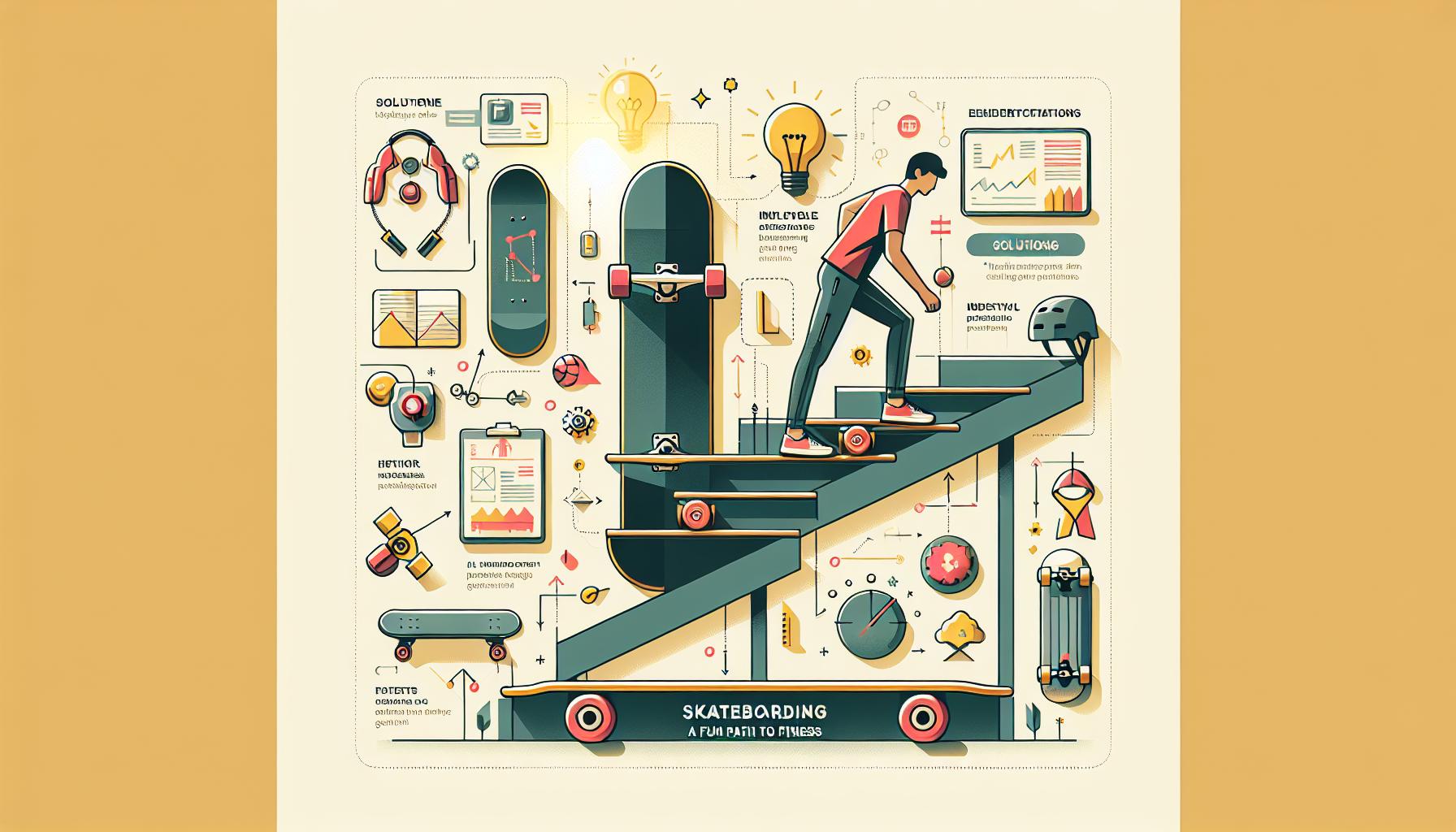
The Science Behind Caloric Burn While Skateboarding
Skateboarding isn’t just about performing tricks or cruising around town; it’s also an engaging way to burn calories and improve fitness. The amount of calories you burn while skateboarding depends on various factors, including your weight, the intensity of the activity, and the duration of your session. Generally, a person can burn between 350 to 575 calories per hour, making it an excellent cardiovascular workout that engages multiple muscle groups.
To understand how skateboarding affects caloric expenditure, we use the MET (Metabolic Equivalent of Task) value. Skateboarding typically has a MET value of around 5.6. This means that for a person weighing about 160 pounds (approximately 73 kg), the caloric burn can be calculated using the following formula:
- Calories burned = MET value × weight in kg × 0.0175 × duration in minutes
For example, if you skateboard for 60 minutes, the calculation would look like this:
| Parameter | Value |
|---|---|
| MET value | 5.6 |
| Weight (in kg) | 73 |
| Duration (in minutes) | 60 |
| Calories burned | ~ 532 |
This formula reveals that a one-hour skateboarding session for an individual of this weight can lead to a significant calorie burn, potentially exceeding what one might achieve through traditional gym workouts. Moreover, the more aggressively you skate, incorporating tricks or varying terrain, the higher the caloric expenditure. This makes skateboarding not only a fun activity but also a potent tool for fitness, encouraging participants to challenge themselves while enjoying the ride.
Incorporating skateboarding into your fitness routine can lead to additional benefits, such as improved balance, coordination, and cardiovascular endurance, all while engaging in a community-oriented and enjoyable activity. So grab your board, invite some friends, and see how shredding the streets can contribute to your fitness goals!
Factors That Influence Calorie Expenditure in Skateboarding
When considering how many calories skateboarding burns, it’s critical to understand the various factors that influence calorie expenditure. Skateboarding is not just a leisurely activity; it can be a robust workout, influenced by aspects such as intensity, duration, skill level, and even environmental conditions. Recognizing these factors can enhance your fitness experience and help you reach your caloric burn goals effectively.
Intensity of Activity
The intensity with which you skate is one of the most significant factors affecting calorie burn. Skateboarding can range from casual cruising to high-energy tricks. Activities that involve intense efforts, like performing tricks or riding downhill, are far more calorie-intensive compared to leisurely rides. For instance, participants can burn up to 300 calories in a moderate 30-minute session, but this number can increase substantially during high-velocity, competitive skateboarding sessions [[2](https://fitnessvolt.com/calories-burned-skateboarding/)].
Duration and Frequency
The amount of time spent skateboarding directly correlates with the number of calories burned. Longer sessions mean more potential caloric expenditure. If you’re looking to maximize your workout, consider increments; even short 15- to 30-minute sessions can be beneficial. Regularly incorporating skateboarding into your routine not only promotes fitness but also can lead to improved skill levels over time, which in turn can facilitate more calorie burn due to increased intensity as your proficiency grows.
Body Weight and Composition
A person’s weight plays a crucial role in their calorie burn potential. Generally, heavier individuals burn more calories than lighter ones during the same activity, due to the increased energy required to move their body mass. For example, someone weighing 160 pounds may burn about 200 calories during a casual skateboarding session, while a 200-pound person might burn closer to 250 calories in the same timeframe [[3](https://www.ourextremesports.com/archives/3568)]. Tracking your individual metrics can help you gauge your performance and adjust your workout accordingly.
Environmental Conditions
Weather and terrain also impact how many calories you burn skateboarding. Skateboarding uphill or on rough terrain requires more effort than riding on a flat, smooth surface. Additionally, windy conditions can increase resistance, leading to a higher energy expenditure. By optimizing your environment-whether it’s selecting smooth pavement versus gravel or adjusting to favorable weather-you can influence your workout’s effectiveness and your overall calorie burn.
Understanding these factors allows you to tailor your skateboarding sessions for maximum effectiveness. By being mindful of the intensity, duration, body weight implications, and environmental conditions, you can confidently enhance your fitness journey through skateboarding.
Comparing Caloric Burn: Skateboarding vs. Other Popular Workouts
Engaging in skateboarding not only sharpens your skills and provides a thrilling ride, but it also serves as an effective workout that can compete with other popular fitness activities in terms of caloric burn. This activity, often perceived as purely recreational, can actually help you torch calories at a rate comparable to more traditional forms of exercise, making it a unique addition to your fitness routine. According to research from Harvard Medical School, a person weighing 155 pounds can burn approximately 360 calories in just one hour of skateboarding, a figure that aligns well with other high-energy workouts.
Caloric Burn Comparison
When measuring caloric burn across various exercises, here’s an insightful comparison of skateboarding with other popular workouts:
| Activity | Calories Burned per Hour (155 lbs) |
|---|---|
| Skateboarding | 360 calories |
| Running (6 mph) | 660 calories |
| Cycling (moderate effort) | 540 calories |
| Swimming (moderate pace) | 500 calories |
| Aerobics (high impact) | 540 calories |
From this comparison, it’s clear that while skateboarding may not burn as many calories as running or cycling, it provides a substantial workout that can enhance your cardiovascular health and muscle strength, particularly in the legs and core. Not only does skateboarding keep your heart rate up, but the varied movements involved, such as tricks and turns, lead to diverse muscle engagement, enhancing overall strength and agility.
Why Choose Skateboarding?
Choosing skateboarding as part of your fitness regime allows for a fun and engaging experience that promotes both physical and mental well-being. Unlike traditional workouts, skateboarding can be done outdoors, tapping into the benefits of fresh air and varied terrains. This unique combination of enjoyment and exercise can keep motivation levels high, making it less likely that you’ll abandon your fitness goals.
Incorporating skateboarding into your fitness routine can thus not only help in burning calories effectively but also add a level of excitement and social interaction that can make exercising more sustainable. So grab your board, hit the pavement, and enjoy the ride while sculpting your body along the way!
Physical Benefits of Skateboarding Beyond Caloric Burn
Skateboarding is often viewed merely as a fun pastime, but its physical advantages extend well beyond just burning calories. Engaging in this dynamic sport provides a comprehensive workout that benefits various muscle groups, enhances balance, and improves overall physical health. As you navigate the asphalt slopes and grind rails, your body performs a symphony of movements that contribute to strength, coordination, and endurance.
One of the most significant physical benefits of skateboarding is its ability to develop core strength. The act of maintaining balance on a moving board requires the active engagement of core muscles, helping you develop better stability and posture over time. As you push off and maneuver, your legs-particularly your quadriceps, hamstrings, and calves-experience a rigorous workout that tones and strengthens these vital muscle groups. This full-body engagement is not only effective for muscle building but also enhances overall agility and coordination.
Moreover, skateboarding is a weight-bearing activity that can help improve bone density. Regular participation in this sport encourages the body to adapt to physical stress, which can lead to stronger bones over time. Alongside endurance training, this can be particularly beneficial for young skaters in their formative years. As highlighted in various studies, the impact from jumping and landing while performing tricks stimulates bone growth, thus reducing the risk of osteoporosis later in life.
Lastly, the cardiovascular benefits of skateboarding should not be overlooked. The sustained physical activity involved in skateboarding, whether cruising around the neighborhood or performing complex tricks at a skatepark, elevates your heart rate, providing an excellent aerobic workout. This contributes to improved cardiovascular fitness, increased lung capacity, and better overall health. For those embracing skateboarding as a means of active transportation or leisure, the variety of movements and the thrill of the sport ensure that it remains both enjoyable and beneficial, further solidifying its place as a multifaceted form of exercise.
By incorporating skateboarding into your fitness routine, you unlock a pathway to improved health that feels less like a chore and more like a lifestyle. Whether you’re mastering new tricks or simply enjoying a leisurely ride with friends, the physical rewards of skateboarding can be both gratifying and empowering.
Tips for Maximizing Calories Burned During Your Skate Sessions
Engaging in skateboarding not only brings the thrill of gliding on wheels but also offers significant physical benefits, including burning a substantial number of calories. To maximize the calorie burn during your skate sessions, it’s essential to focus on various strategies that enhance the intensity and duration of your activity. By incorporating these tips into your routine, you can transform a fun experience into an effective workout that contributes to your overall fitness goals.
Vary Your Skateboard Techniques
Different skateboarding techniques engage different muscle groups and can significantly affect the calories burned. Consider the following approaches:
- Street Skating: Focus on tricks, jumps, and grinding. This style typically requires more energy and can burn up to 500 calories per hour.
- Vert Skating: Engage in ramps and halfpipes. The challenges of maintaining balance while performing aerial tricks significantly elevate heart rate and calorie expenditure.
- Longboarding: If cruising is more your style, opt for longer trips that encourage a steady pace. Increasing distance will lead to a higher calorie burn over time.
Increase Your Duration and Frequency
The longer and more frequently you skate, the more calories you will burn. Aim to skate for at least 30 to 60 minutes per session, incorporating sessions throughout the week. Gradually increase your time on the skateboard as your stamina builds. Setting goals for total skate time per week can provide motivation and structure.
Incorporate Interval Training
Interval training is an effective method of burning calories efficiently. Alternate between high-intensity bursts and lower intensity. For example, skate with maximum effort for 30 seconds followed by a slower pace for 1 to 2 minutes. This approach not only boosts your heart rate but also enhances endurance, allowing for greater overall calorie burn during your sessions.
Engage Your Core
Skateboarding activates the core muscles, but consciously engaging your core can amplify this effect. Keep your core tight as you skate to improve balance and stability, allowing you to perform tricks with greater efficiency. Over time, strengthening your core can help you execute more complex maneuvers, which in turn can contribute to increased calorie burning during those energetic skate sessions.
By applying these strategies, you can enjoy skateboarding while maximizing the caloric benefits associated with this exhilarating sport. Combining fun with workout effectiveness not only keeps you motivated but also supports your fitness journey.
How to Incorporate Skateboarding into a Balanced Fitness Routine
Engaging in skateboarding is not just a fun pastime; it’s a dynamic way to integrate fitness into your daily life. If you’re looking to diversify your exercise routine, skateboarding can be a fabulous inclusion that also brings variety and excitement. It’s an excellent cardiovascular workout that elevates your heart rate while allowing you to explore your environment, enhancing endurance and overall fitness levels. Plus, it’s a fantastic way to engage social connections and community.
To effectively incorporate skateboarding into your balanced fitness routine, consider setting aside specific days for practice. For example, designate Mondays, Wednesdays, and Saturdays as skateboarding days. This gives you an opportunity to focus on improving your skills while simultaneously getting a workout. Begin each session with a warm-up to prevent injuries-dynamic stretches and light exercises can prepare your body for the range of movements involved in skateboarding.
Another effective strategy is to combine skateboarding with other forms of exercise to create a well-rounded fitness regimen. You might alternate between skateboarding and strength training on different days. Here’s a sample weekly schedule:
| Day | Activity |
|---|---|
| Monday | Skateboarding (endurance and tricks) |
| Tuesday | Strength training (full-body workout) |
| Wednesday | Skateboarding (technique focus) |
| Thursday | Yoga or stretching |
| Friday | Skateboarding (freestyle or park session) |
| Saturday | Outdoor activity (hiking or biking) |
| Sunday | Rest day or light recovery cardio |
To maximize the calories burned while skateboarding, aim for a mix of speed, tricks, and varied terrains. The more vigorously you skate, the more you’ll benefit-this activity can easily become a calorie-torching workout comparable to some gym routines. In this way, skateboarding transcends mere recreation, transforming into a substantial part of your fitness journey while making it enjoyable. Embrace the freedom of movement and the rewards of consistent practice for optimal results in your health and fitness goals.
The Way Forward
In conclusion, skateboarding is not just a fun activity; it also offers significant fitness benefits by burning a substantial number of calories. Depending on factors such as weight and intensity, skateboarding can help you burn between 300 to 575 calories per hour [1[1][2[2]. With each session contributing to improved cardiovascular health and muscle strength, it’s a fantastic way to stay active while enjoying the outdoors. We encourage you to explore further ways to integrate skateboarding into your fitness routine-whether you’re a beginner or an experienced skater, every push counts! Stay motivated, have fun, and keep skating towards your fitness goals!


