Is your favorite silver jewelry losing its luster? Over time, tarnish can dull the shine of these beloved pieces, but restoring their brilliance is easier than you think. This guide will walk you through simple, effective methods to clean and revitalize your silver, keeping your accessories sparkling and beautiful for every occasion.
Understanding the Composition of Silver Jewelry: What You Need to Know
Understanding the intricate makeup of silver jewelry is essential for both enthusiasts and casual wearers alike. The lustrous sheen of silver not only captivates the eye, but its various compositions can significantly affect how you care for and clean your pieces. Knowing precisely what you’re wearing allows you to maintain its beauty and longevity effectively.
The Alloy Factor
When you explore the realm of silver jewelry, you will often encounter terms like “sterling silver” and “fine silver.” These designations refer to the different compositions that define the metal’s quality and durability. One of the most common alloys is sterling silver, which consists of 92.5% pure silver and 7.5% other metals, typically copper. This mix enhances strength while retaining that signature shine. Here’s a quick comparison of silver types:
| Type of Silver | Purity | Common Uses |
|---|---|---|
| Sterling Silver | 92.5% | Jewelry, utensils, and decorative items |
| Fine Silver | 99.9% | Coins, bullions, and high-end jewelry |
| Argentium Silver | 92.5% or 93.5% | Modern jewelry design due to tarnish resistance |
One notable variant is Argentium silver, which not only boasts a similar purity to sterling but also incorporates germanium to improve tarnish resistance. This makes it an excellent option for those who wish to minimize maintenance, while still enjoying the aesthetic qualities of silver jewelry.
Tarnish: What You Should Know
Understanding the susceptibility of silver to tarnish is vital for the preservation of its beauty. Tarnishing occurs when silver reacts with sulfur and moisture in the air, leading to a dull appearance over time. Regular cleaning can drastically reduce this effect. For example, knowing how to properly clean silver jewelry through simple steps can restore its shine and keep it looking new.
When it comes to caring for your pieces, consider the following tips:
- Avoid exposing your jewelry to harsh chemicals found in household cleaners.
- Store your silver jewelry in anti-tarnish pouches or lined boxes.
- Regularly wipe your silver pieces with a soft cloth after wearing.
By grasping the composition and characteristics of silver, you empower yourself to take proactive steps in maintaining your jewelry’s luster, ensuring that it remains stunning for years to come.
Essential Tools and Materials for Cleaning Silver Jewelry at Home
To effectively restore the shine of your silver jewelry at home, it’s essential to gather the right tools and materials. Having these items on hand not only simplifies the cleaning process but can also help you achieve professional-like results without the extra cost of a jeweler. Understanding what you need will empower you to maintain your beloved pieces and keep them looking new.
Basic Cleaning Supplies
To embark on the journey of cleaning your silver jewelry, you’ll want to collect the following essential items:
- Hot water – Use it as the base for many cleaning solutions.
- Salt – This common kitchen staple is an effective tarnish remover.
- Aluminum foil – It plays a crucial role in the cleaning reaction.
- Baking soda – Another strong agent for polishing tarnished jewelry.
- Soft cloth or microfiber cloth – Ideal for gentle polishing.
- A small bowl – To mix your cleaning solution.
- Toothbrush or soft brush – For detailing and hard-to-reach spots.
Optional Tools for Enhanced Care
While the basic supplies are often sufficient for most cleaning tasks, some optional tools can further enhance your results:
- Jewelry cleaner solution – Special solutions designed for jewelry can offer a deeper clean.
- Polishing cloth – Specifically designed to remove tarnish while adding shine.
- Ultrasonic cleaner – This device can clean intricate designs and settings efficiently.
By equipping yourself with these tools and materials, you can confidently tackle tarnished silver jewelry and enjoy a satisfying restoration process. Regular maintenance using these simple household items not only prolongs the life of your jewelry but also ensures that it remains a cherished part of your collection, gleaming with every wear. Whether you’re looking to refresh a favorite necklace or preparing your pieces for a special occasion, knowing how to clean silver jewelry effectively will keep your accessories looking their very best.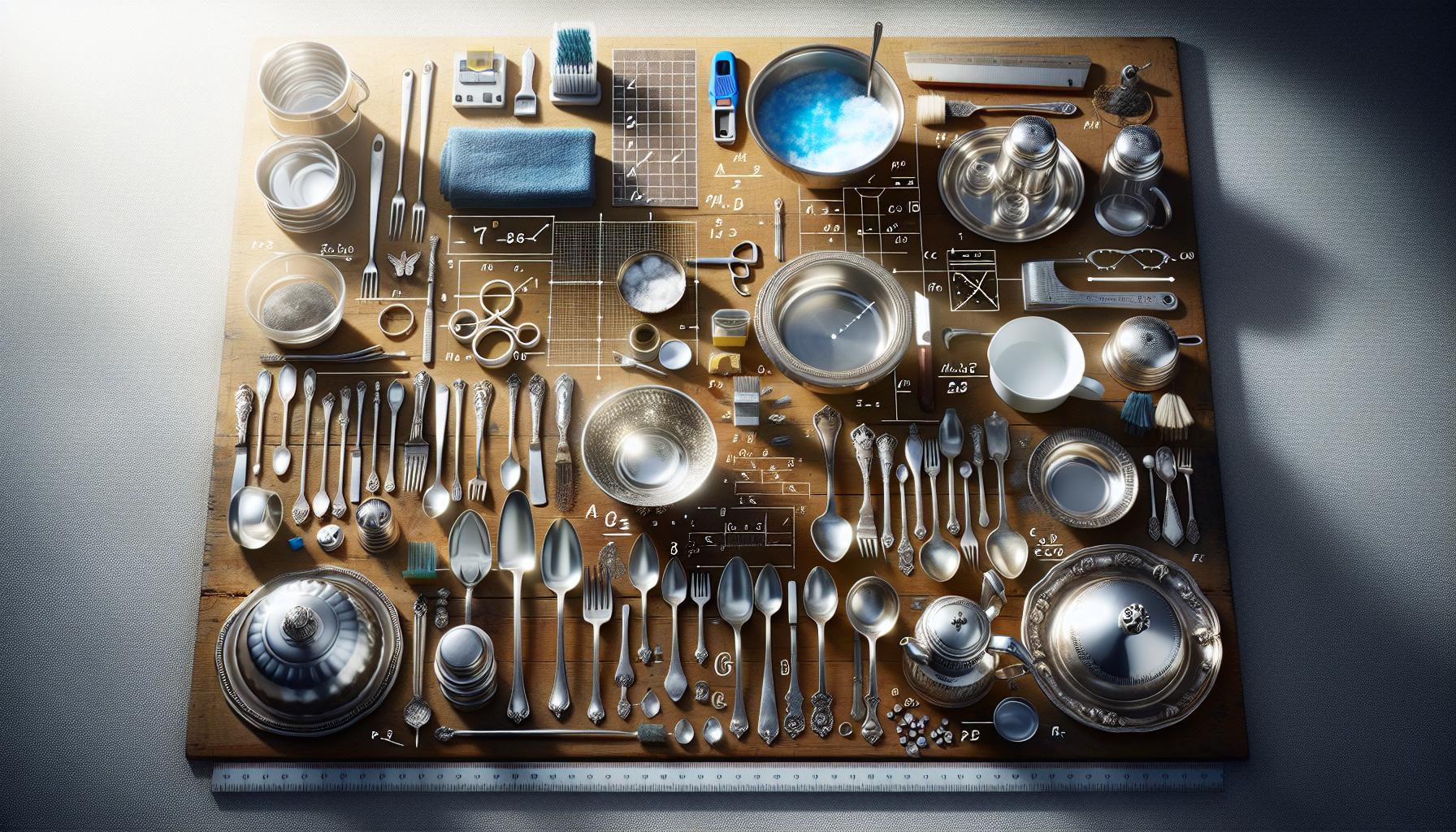
Step-by-Step Guide to Removing Tarnish from Silver Pieces
Tarnish is a common nuisance for silver pieces, dulling the beautiful shine that makes them so appealing. Fortunately, restoring that luster is easier than you might think. With just a few simple steps, you can bring your tarnished silver jewelry back to life. Here’s a comprehensive guide to help you navigate the process effectively, ensuring your pieces sparkle like new again.
Understanding Tarnish
Before diving into the restoration process, it’s important to understand what tarnish is. Tarnish occurs when silver reacts with sulfur compounds in the air, forming silver sulfide on the surface. This chemical reaction can happen over time, especially if the silver is not stored properly. By knowing what causes tarnish, you can take preventative measures to keep your silver pieces in pristine condition.
Essential Supplies
Gather the following supplies before beginning the cleaning process:
- Non-abrasive silver polish or a homemade solution (baking soda and water)
- Soft, lint-free cloths for polishing
- A shallow bowl or container for soaking, if needed
- Warm water (if using a baking soda paste)
- Toothbrush with soft bristles for intricate designs
Step-by-Step Cleaning Process
Now that you have your supplies ready, follow these straightforward steps to remove tarnish effectively:
- Prepare your solution: If using a commercial silver polish, follow the instructions on the product. For a homemade solution, create a paste by mixing two parts baking soda with one part water.
- Apply the cleaner: Use a soft cloth to apply the silver polish or baking soda paste. Make sure to cover all tarnished areas evenly.
- Gentle scrubbing: For pieces with intricate detailing or engravings, use a soft-bristled toothbrush to get into those hard-to-reach spots. This ensures a thorough clean without scratching the silver.
- Rinse and dry: If you used a paste, rinse the jewelry in warm water, ensuring all residue is removed. Pat dry with a lint-free cloth to prevent water spots.
- Final polish: Finish by buffing the silver with a clean, dry cloth to enhance its shine.
Preventing Future Tarnish
To keep your silver jewelry shiny for longer, consider these preventive measures:
- Store properly: Keep silver pieces in anti-tarnish pouches or cloths; avoid rubber materials, which can contribute to tarnish.
- Avoid exposure: Take off jewelry before swimming or showering, as moisture can speed up tarnishing.
- Regular cleaning: Incorporate a quick clean into your routine to ward off tarnish buildup.
By following these simple yet effective steps on how to clean silver jewelry, you can easily restore its radiant shine and prolong its life, making every piece a cherished part of your collection.
Polishing Techniques: Restoring Shine Without Damaging Your Jewelry
If you’ve ever fished out a piece of silver jewelry from the back of your drawer only to find it dulled and tarnished, you’re not alone. Restoring the radiant shine of silver jewelry is not only a matter of aesthetics but also helps maintain its value. Fortunately, there are effective polishing techniques that ensure your favorite pieces regain their luster without the risk of damage.
Gentle Polishing Method
For delicate silver items, a gentle approach is essential to avoid scratching or damaging the surface. Here’s a simple technique that can work wonders:
- Choose the right polishing cloth: A microfiber or specialized jewelry polishing cloth is ideal as it is soft and non-abrasive.
- Use a light touch: Gently rub the cloth over the surface of the jewelry, utilizing a circular motion. This helps lift dirt and tarnish without scratching the silver.
- Focus on intricate designs: For pieces with detailed engravings or filigree work, use a soft-bristled toothbrush dipped in soapy water to clean those hard-to-reach areas.
Homemade Polishing Solutions
If you prefer a DIY approach, there are several homemade polishing solutions that can enhance the shine of your silver jewelry effectively:
| Ingredient | Method |
|---|---|
| Baking Soda and Water Paste | Mix equal parts baking soda and water to create a paste. Apply it to the jewelry using a soft cloth, then rinse and dry thoroughly. |
| Vinegar and Baking Soda | Soak tarnished jewelry in a solution of 1/2 cup vinegar and 2 tablespoons baking soda for two to three hours. Rinse and dry. |
| Toothpaste | Apply a small amount of non-gel toothpaste on a soft cloth and rub it gently over the jewelry. Rinse well and dry. |
While the methods listed above are effective, it’s crucial to test a small area first to ensure compatibility with your jewelry. Additionally, avoiding abrasive materials, such as steel wool or harsh chemicals, is vital, as they can quickly scratch and dull the surface. By adopting these polishing techniques, you can return the timeless sparkle to your jewelry, ensuring each piece shines brightly for many years to come.
Preventative Care: Tips to Keep Your Silver Jewelry Sparkling
Maintaining the luminous appeal of your silver jewelry is essential to ensure it remains a stunning addition to your accessory collection. Over time, silver can tarnish due to exposure to air and moisture, leading to a dull appearance. However, implementing a few simple care techniques can significantly prolong that vibrant shine.
To keep your pieces looking their best, consider the following practical tips:
- Storage Matters: Always store your silver jewelry in a cool, dry place, preferably in an anti-tarnish pouch or a lined jewelry box. This minimizes exposure to air and moisture, which are primary contributors to tarnishing.
- Regular Cleaning: Clean your silver items regularly with a soft, lint-free cloth to remove any oils or dirt. For deeper cleaning, use a gentle solution of warm water and mild soap, then rinse thoroughly and dry.
- Avoid Chemicals: Keep your silver away from harsh chemicals found in household cleaners, perfumes, and lotions. These substances can accelerate tarnishing and damage the finish of your jewelry.
- Wear Them Often: Surprisingly, wearing silver jewelry regularly can help maintain its shine. The natural oils from your skin can actually help inhibit tarnish, so don’t hesitate to flaunt your favorite pieces!
Restoration Techniques
If your jewelry has already tarnished, you can restore its shine with a few easy steps. One method involves creating a paste from baking soda and water, gently rubbing it onto the silver with a soft cloth. Rinse off the paste with warm water, drying it thoroughly afterward.
| Method | Materials Needed | Steps |
|---|---|---|
| Baking Soda Paste | Baking soda, water, soft cloth | 1. Mix baking soda and water to form a paste. 2. Rub gently onto tarnished areas. 3. Rinse and dry. |
| Silver Polish | Commercial silver polish, soft cloth | 1. Apply the polish as directed. 2. Buff with a clean cloth. 3. Rinse if necessary. |
By following these preventative care practices and cleaning techniques, you can enjoy your silver jewelry for years to come, ensuring it maintains its exquisite shine and beauty.
When to Seek Professional Help for Silver Jewelry Cleaning
When it comes to maintaining the beauty and integrity of your silver jewelry, there are times when your regular cleaning methods may not suffice. While you might be keen on restoring that lost luster with DIY techniques, understanding the signs that indicate a need for professional help is crucial to avoid further damage. Silver jewelry can accumulate deep tarnish or obscure stains that home remedies simply can’t tackle, and knowing when to seek out the expertise of professionals is essential for preserving your cherished pieces.
Signs that Professional Help is Needed:
- Heavy Tarnish: If your jewelry is coated in a thick layer of tarnish that resists your cleaning efforts, it may be time to consult a professional. They have specialized tools and cleaning agents designed to tackle severe tarnishing without damaging the silver.
- Physical Damage: Pieces that show signs of scratches, bends, or broken clasps deserve expert attention. A jeweler can assess and repair any physical damages, ensuring that your jewelry is not only clean but also safe to wear.
- Intricate Designs: If your jewelry features delicate designs, such as filigree or embellishments, a professional cleaner will know how to access intricate crevices that may be hard to reach using at-home methods.
- Gemstone Settings: Jewelry that incorporates stones requires special care during cleaning to prevent loosening or damage. Professionals can clean and secure these settings safely.
When in Doubt, Ask
If you’re uncertain about whether your silver jewelry needs professional help, don’t hesitate to reach out to a jeweler for guidance. Many jewelers offer consultations where they can evaluate the condition of your pieces and recommend appropriate cleaning methods. For instance, if you own a vintage silver piece that carries sentimental value, preserving its integrity should be a priority, and expert restoration might be the best option.
It’s also wise to consider a professional cleaning if your silver jewelry has gone a long time without maintenance. Regular upkeep helps prevent tarnish and extends the life of your pieces, but once they have become significantly dulled, a thorough professional cleaning may indeed be the best route. Your jewelry deserves the care that can only come from trained professionals who understand the nuances of silver restoration.
By recognizing these signs and understanding the value of professional assistance, you can ensure that your silver jewelry remains not only clean but also a shining testament to your style and memories.
Common Myths About Silver Jewelry Care Debunked
When it comes to caring for silver jewelry, a variety of myths circulate that can mislead even the most diligent owners. Understanding the facts behind these misconceptions can help you keep your treasured pieces gleaming and in excellent condition. Let’s unravel some of the most common myths surrounding silver jewelry care that might be clouding your understanding of how to maintain its shine effectively.
Myth 1: Silver Jewelry Doesn’t Need Cleaning
A prevalent belief is that silver jewelry remains pristine without any cleaning. In reality, silver tarnishes over time due to exposure to air and moisture, and this tarnish can dull your jewelry’s shine. Regular maintenance is essential. For instance, even wearing your jewelry can contribute to tarnish formation because oils from your skin and environmental pollutants come into contact with the metal. To restore its luster, taking proactive steps is key; this includes using a mild soap solution or a silver polishing cloth regularly.
Myth 2: Harsh Chemicals Are Necessary for Cleaning
Another misunderstanding is that only harsh chemicals can effectively clean silver jewelry. This could not be further from the truth! While some might think that strong solvents or abrasive materials will restore the shine, these can actually damage your precious items. Instead, embrace natural cleaning methods. A mixture of baking soda and water creates a gentle paste that can be applied to tarnished areas without scratching or corroding the silver. This method not only helps maintain the quality but also ensures long-lasting beauty.
Myth 3: All Silver Jewelry Is Created Equal
Many assume that all silver jewelry is made from the same quality of metal, leading to oversights in care techniques. However, there are different types of silver, such as sterling silver and silver-plated pieces. Sterling silver, containing 92.5% pure silver, requires specific care compared to items that are merely coated. Always check your jewelry’s composition before applying any cleaning method; using a soft cloth on sterling silver can often suffice for maintenance, while plated items may require even gentler treatment.
| Type of Silver | Cleaning Method | Notes |
|---|---|---|
| Sterling Silver | Non-abrasive cloth, mild soap solution | Avoid too much pressure to prevent scratches |
| Silver-Plated | Soft cloth, very mild soap | Handle carefully to preserve the silver layer |
| Pure Silver | Soft cloth only | Less frequent cleaning due to tarnish resistance |
By debunking these myths, you not only enhance your knowledge of how to clean silver jewelry but also equip yourself with the tools needed for proper maintenance. This will ensure your beloved pieces continue to shine brightly for years to come.
The Way Forward
In conclusion, cleaning silver jewelry doesn’t have to be daunting. By following these straightforward steps, you can easily restore the shine and beauty of your cherished pieces. Remember to gather your supplies, choose the right cleaning method, and take your time to ensure the best results. Regular upkeep will not only preserve their luster but also extend their lifespan. We invite you to explore our other helpful articles for more tips on jewelry care and maintenance. Embrace these simple techniques and feel empowered to keep your jewelry sparkling for years to come!