


Are you curious about the nutritional benefits of beef heart? This nutrient-dense organ meat packs only about 520 calories per pound while delivering a powerhouse of protein and essential vitamins. Understanding its caloric content and health benefits can help you make informed dietary choices that support your overall well-being and energy levels.
Understanding the Nutritional Profile of Beef Heart

Beef heart stands out as a nutrient powerhouse among organ meats, often overlooked in modern diets. Packed with high-quality protein, it serves as an exceptional alternative to leaner cuts of beef, effectively fueling your body while delivering a wide array of essential nutrients. The caloric content of beef heart is surprisingly moderate; there are approximately 250 calories in a single pound. This makes it an attractive option for those seeking a nutrient-dense food that supports various aspects of health without excessive calorie intake.
When assessing the nutritional profile of beef heart, it is essential to recognize its richness in vital nutrients. Beef heart is an excellent source of:
- Protein: With around 30 grams of protein per 100 grams, it supports muscle maintenance and recovery.
- Vitamins: It is particularly high in B vitamins, including B12 and riboflavin, which are crucial for energy production and red blood cell formation.
- Coenzyme Q10 (CoQ10): This antioxidant plays a pivotal role in energy metabolism and heart health.
- Iron and Zinc: Essential for immune function and oxygen transport in the blood.
Here’s a brief overview of the nutrients typically found in a serving of beef heart:
| Nutrient | Amount per 100g |
|---|---|
| Calories | 250 |
| Protein | 30g |
| Fat | 10g |
| Carbohydrates | <1g |
| Iron | 4.1mg |
| Zinc | 5.2mg |
| Vitamin B12 | 4.7µg |
| CoQ10 | 1.1mg |
The unique combination of these nutrients not only supports physical vitality but also promotes heart health and cognitive function. For those intrigued by the question, “How many calories are there in beef heart per lb? Nutrition facts reveal it to be not just low in calories but also extremely beneficial in packing a punch of nutrients per serving. By incorporating beef heart into meals, you can elevate your nutritional intake with ease and confidence, making it a smart choice for health-conscious individuals looking to diversify their diets while enjoying hearty flavors.
Caloric Content: A Breakdown of Beef Heart Per Pound
Beef heart is not only a nutritional powerhouse but also a delicious and versatile ingredient that can elevate any meal. Understanding its caloric content is essential for anyone looking to incorporate this organ meat into their diet effectively. Per pound, beef heart typically contains approximately 508 calories, predominantly composed of protein and healthy fats, making it an excellent option for those seeking to increase their protein intake without excessive carbohydrates.
To break it down further, the macronutrient composition of beef heart per pound is remarkable:
| Nutrient | Amount per Pound |
|---|---|
| Calories | 508 |
| Protein | approximately 330 grams (65% of total calories) |
| Fat | around 38 grams (30% of total calories) |
| Carbohydrates | Negligible |
In addition to being calorie-dense, beef heart is rich in essential vitamins and minerals. It provides a significant amount of iron-about 68% of the daily value-making it an excellent choice for those who need to boost their iron intake, such as athletes or individuals with certain dietary restrictions. The high levels of vitamin B12 also support energy levels and overall well-being, reinforcing beef heart as a nutrient-dense addition to a balanced diet.
When preparing beef heart, consider combining it with high-fiber sides, such as vegetables or whole grains, to create a well-rounded meal that satisfies and nourishes. This not only enhances the flavors but also balances the rich, meaty taste of the heart itself. As you explore this less conventional cut of meat, you’ll likely find that its unique flavor profile and stellar nutrient density will empower you to diversify your culinary repertoire confidently.
Comparisons: Beef Heart vs. Other Organ Meats
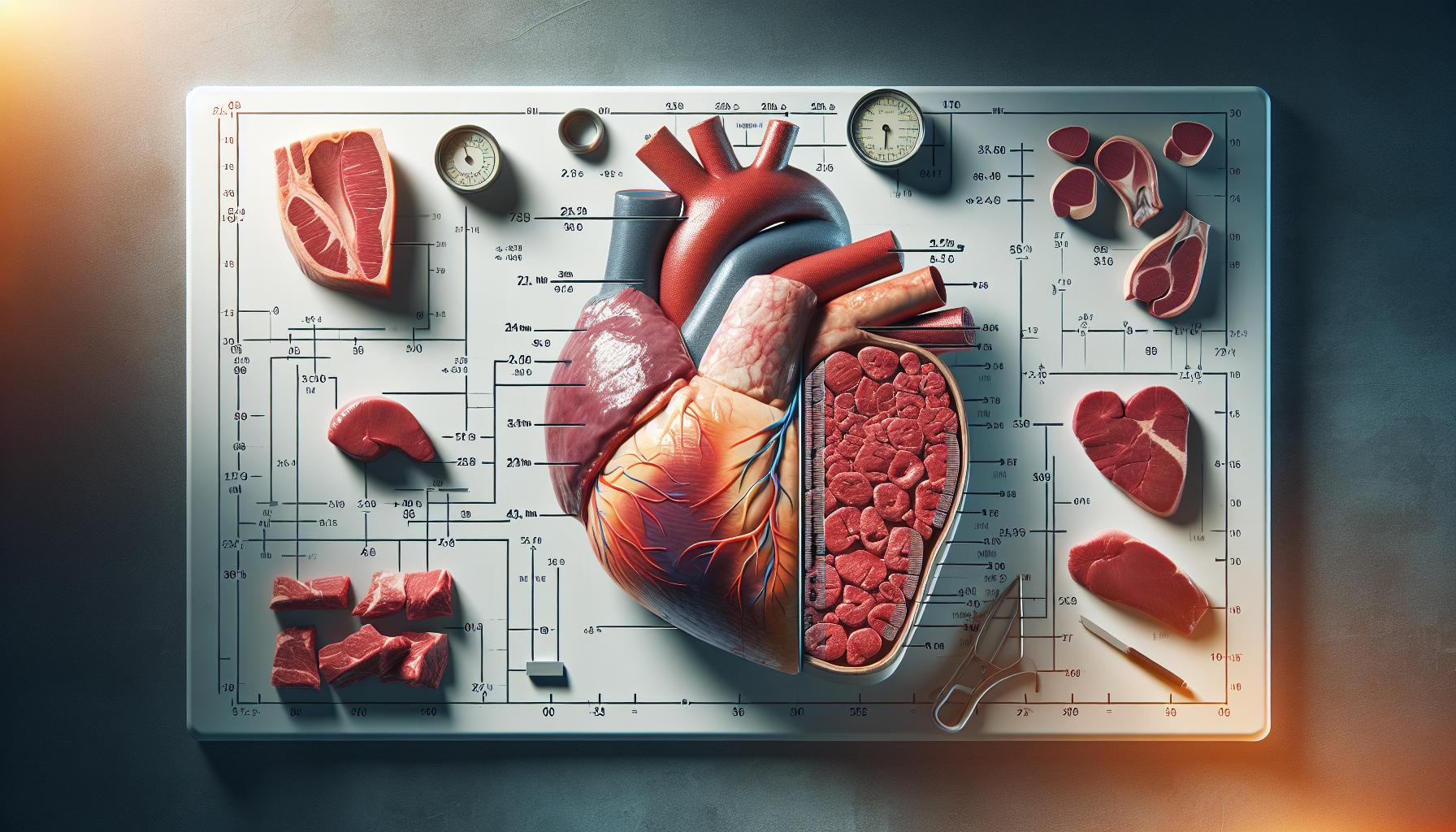
One of the most compelling reasons to explore various organ meats is their distinct nutritional profiles, which offer a range of health benefits. Among them, beef heart stands out due to its exceptionally rich protein content and lower fat level compared to other organ meats. For those considering including organ meats in their diet, the differences between beef heart and other varieties such as liver, kidney, and spleen can be quite enlightening.
Comparison Overview
When evaluating the nutritional aspects of beef heart against other organ meats, here’s a brief comparison:
| Organ Meat | Protein (grams per 100g) | Calories | Rich In |
|---|---|---|---|
| Beef Heart | 26 | 250 | CoQ10, Vitamin B12, Zinc |
| Beef Liver | 26 | 135 | Vitamin A, Iron, Folate |
| Beef Kidney | 24 | 120 | Vitamin B12, Selenium |
| Beef Spleen | 25 | 130 | Iron, Vitamin B12 |
Beef heart not only provides a high protein content-approximately 26 grams per 100 grams-but it also offers a notable source of CoQ10, which is important for heart health and energy production within the body. Compared to liver, which is acclaimed for its rich vitamin content, particularly Vitamin A, beef heart is a leaner option with a more subtle flavor that might appeal to those new to organ meats.
Organ meats such as liver and kidneys, while nutritional powerhouses, may not suit everyone’s palate and can be higher in fat and calories. For instance, liver contains a wealth of vitamins, but it also offers significantly fewer calories than beef heart, making it a nutrient-dense option for those managing calorie intake. On the other hand, beef heart could serve as a versatile ingredient in a variety of recipes, from stews to stir-fries, catering to those looking for a heart-healthy yet flavorful addition to their meals.
As you consider which organ meats to incorporate into your diet, understanding these comparisons and benefits can help you make informed choices tailored to your nutritional needs and culinary preferences. By experimenting with different types of organ meats, including beef heart, you can discover flavors that resonate with your taste while reaping the considerable health benefits they offer.
Health Benefits of Incorporating Beef Heart into Your Diet
Incorporating beef heart into your diet can be a game changer for those seeking nutrient density and a unique source of protein. This organ meat is not only rich in flavor but also provides an impressive nutritional profile that can support overall health and wellness. Many modern diets emphasize whole, nutrient-dense foods, and beef heart fits this bill perfectly. With its high protein content and various essential nutrients, it serves as an excellent option for those aiming to enhance their diet.
One of the standout features of beef heart is its remarkable concentration of nutrients. A typical serving (about 3 ounces) contains approximately 24.2 grams of protein, making it an effective choice for muscle synthesis and maintenance. Moreover, beef heart boasts an astonishing 383% of your daily value for vitamin B12, critical for energy production, brain health, and the formation of red blood cells. Additionally, it is packed with other B vitamins such as riboflavin, which plays a vital role in energy metabolism, helping to convert food into energy more efficiently.
Not only is beef heart a powerhouse of vitamins, but it also contains important minerals such as zinc, selenium, and phosphorus. Zinc is essential for immune function and healing, while selenium supports antioxidant defenses in the body. The high levels of coenzyme Q10, also known as CoQ10, found in beef heart can promote cardiovascular health and support cellular energy production. This organ meat’s unique combination of nutrients makes it especially beneficial for those following low-carb or ketogenic diets, as it is moderate in fat and low in carbohydrates [3].
When considering how many calories are there in beef heart per lb, it’s also crucial to appreciate the quality of those calories. This food is satisfying, helping to keep hunger at bay while providing essential nutrients that support various bodily functions. For those looking to diversify their protein sources, creatively incorporating beef heart into meals may not only enrich diet variety but also promote overall well-being. Try incorporating it into hearty stews, grilled preparations, or even blended into meatballs for a nutritious twist on classic recipes. Now is an excellent time to explore this often-overlooked organ meat that can profoundly impact your health and nutrition.
Cooking Tips: How to Prepare Beef Heart for Maximum Flavor
When it comes to cooking beef heart, preparation is crucial for unlocking its unique flavors and textures. This often-overlooked cut is not only nutrient-dense but also a lean source of protein, making it a fantastic option for health-conscious cooks. Understanding how to prepare beef heart can significantly enhance its taste, ensuring you serve a memorable dish that impresses family and friends. Let’s dive into some essential tips that will guide you in maximizing the flavor of beef heart.
First and foremost, proper cleaning is key. Before any cooking takes place, it’s vital to clean the heart thoroughly. Begin by removing any excess fat and connective tissues, which can be tough and chewy if left intact. Use a sharp knife to trim these parts, enhancing the overall tenderness of your dish. After cleaning, consider marinating the heart for a few hours or overnight. A simple marinade of olive oil, garlic, fresh herbs, and a splash of vinegar can infuse the meat with flavor. Marinating not only adds depth but also helps to tenderize the meat further.
When cooking beef heart, various methods can bring out the best results, but slow cooking is one of the most effective. As mentioned in some of the best beef heart recipes, utilizing a slow cooker or braising the heart can result in a tender, flavorful dish. Combine it with vegetables like carrots and potatoes, and season with herbs for a hearty stew. Alternatively, if you’re short on time, pan-frying or grilling are excellent quick-cook options. For pan-searing, cook it in a cast iron skillet with a bit of butter or ghee to enhance caramelization, which adds depth to the flavor profile.
Lastly, serve your beef heart with complementary sides that will elevate your meal. Think roasted vegetables, quinoa, or even a fresh salad to balance the richness of the heart. Pairing with a nice wine can also enhance the experience, making your dish not just a meal but a culinary event. With these tips, you’ll be well on your way to creating delicious beef heart dishes that are both remarkable and full of flavor, ensuring that you appreciate every bite of this unique and nutritious cut.
By mastering these preparation techniques, you are well-equipped to enjoy the benefits of beef heart, often underappreciated but brimming with flavor and nutrition. Whether you’re curious about its caloric content or eager to discover its culinary potential, these insights empower you to make the most of your cooking experience.
Addressing Common Myths About Organ Meat Nutrition
The nutritional landscape of organ meats, particularly beef heart, is often shrouded in myths that can deter people from incorporating these nutrient-rich foods into their diets. One common misconception is that organ meats are unhealthy or “dirty” due to their role in filtration within the body. However, it’s essential to understand that while the liver filters toxins, it does not store them. In fact, organ meats like beef heart are loaded with essential nutrients that can greatly benefit your health.
Beef heart is a powerhouse of protein, with approximately 17 grams per 100-gram serving, making it a fantastic alternative to conventional cuts of red meat [2[2]. Contrary to the belief that all red meat is fatty, beef heart offers a leaner profile, providing about 5 grams of fat per serving, which includes heart-healthy fatty acids. This makes it an excellent choice for those looking to increase their protein intake without consuming excessive calories or fat. With about 157 calories per 100 grams when cooked [1[1], it’s nutrient-dense yet low in overall calories, shining a light on how organ meats can fit into a balanced diet.
Another myth is the idea that organ meats are not safe for everyone due to their unique nutritional profiles. While it’s true that people with certain conditions, such as gout, need to monitor purine intake, for most individuals, the benefits far outweigh any potential downsides. Beef heart contains essential nutrients like B vitamins, iron, and zinc, which are crucial for energy production, immune function, and overall health. Embracing organ meats can diversify protein sources in your diet while ensuring that you get a broad spectrum of vitamins and minerals that are sometimes lacking in muscle meats.
To address the hesitation around cooking beef heart, consider starting with well-sourced, fresh cuts. Preparations such as slow cooking or grinding can enhance the flavor and texture, making it more approachable. Exploring recipes that incorporate beef heart can also be an exciting culinary adventure, transforming perceptions about organ meats and integrating their nutritional benefits into everyday meals. By debunking these myths and embracing the true potential of beef heart, you can take positive steps towards a healthier, more varied diet.
Exploring Protein and Other Key Nutrients in Beef Heart
Beef heart is an exceptional source of nutrition that can transform your meal planning and dietary choices. Not only is it rich in protein, but it also contains significant amounts of essential nutrients that are hard to find in common cuts of meat. For those curious about the specifics of this organ meat, understanding how many calories there are in beef heart per pound reveals a nutrient-dense profile that supports a healthy lifestyle.
This organ meat boasts high protein content, making it an excellent choice for muscle repair and growth. A serving of beef heart contains approximately 66% protein, which translates into about 75 grams of protein in a pound. This makes it a remarkable option for individuals looking to increase their protein intake, especially those engaged in strength training or athletic pursuits. Additionally, beef heart is packed with iron and zinc, essential for maintaining optimal energy levels and a robust immune system.
Moreover, beef heart is a valuable source of Coenzyme Q10 (CoQ10), a nutrient known for its role in energy production and heart health. CoQ10 acts as a powerful antioxidant, providing protective measures against cellular damage and playing a pivotal role in heart function. Including beef heart in your diet can thus enhance your overall health while contributing to a balanced intake of micronutrients.
When preparing beef heart, consider various cooking methods like grilling, sautéing, or slow-cooking to fully appreciate its unique texture and flavor. Here are a few tips for incorporating beef heart into your meals:
- Grilling: Marinate the heart to add flavor and grill it for a lean steak alternative.
- Stir-Frying: Slice thinly and stir-fry with vegetables for a quick, nutritious dish.
- Slow Cooking: Use the heart in stews or soups to enhance flavor while maximizing nutrient retention.
Embracing this nutrient-rich organ meat allows you to diversify your protein sources while enjoying its health benefits. The connection between how many calories are there in beef heart per pound and its impressive nutrient profile highlights its value in a varied diet, encouraging a newfound appreciation for organ meats.
Sustainable Eating: The Role of Organ Meats in a Balanced Diet
Eating organ meats, often referred to as offal, is rapidly gaining recognition as a sustainable and nutritious alternative to traditional cuts of meat. These nutrient-dense foods provide a wealth of vitamins and minerals while also addressing environmental concerns associated with meat consumption. When considering options like beef heart, understanding its caloric content and nutritional benefits can empower consumers to make informed dietary choices that contribute positively to both personal health and the planet.
Nutritional Benefits of Organ Meats
Organ meats are exceptionally rich in essential nutrients. For example, beef heart is notable not just for its taste but also for its impressive nutritional profile. It boasts high levels of vitamins A and B12, iron, and omega-3 fatty acids. Specifically, organ meats contain crucial elements such as carnitine, creatine, and glutathione, making them vastly more nutrient-dense compared to conventional muscle cuts. For individuals seeking to diversify their diets, including organ meats like beef heart can significantly enhance nutritional intake.
- Vitamin A: Supports vision, immune function, and skin health.
- Vitamin B12: Crucial for red blood cell formation and neurological health.
- Iron: Vital for transporting oxygen in the blood.
- Omega-3 Fatty Acids: Anti-inflammatory properties beneficial for heart health.
Environmental Impact of Choosing Organ Meats
In addition to their health benefits, organ meats play a significant role in sustainable eating practices. By consuming parts of the animal that are often discarded, individuals can help reduce food waste and make better use of the livestock raised for meat. A study highlighted in the environmental sciences suggests that enjoying organ meats just a couple of times a week could reduce carbon emissions associated with meat production, making it a simple change with substantial ecological impact.
Moreover, incorporating organ meats into your diet aligns with the growing movement toward nose-to-tail eating, where every part of the animal is utilized. This practice not only respects the animal’s life but also promotes a more holistic and sustainable approach to dining. By considering how many calories are in beef heart per pound, consumers can appreciate its value as a protein source while also contributing to a more responsible food system.
Practical Tips for Incorporating Organ Meats
Integrating organ meats into daily food routines can be both delicious and straightforward. Here are some tips to get started:
- Start Small: If you’re new to organ meats, begin with small portions mixed into familiar dishes, such as ground beef or stews.
- Explore Recipes: Search for creative recipes that highlight organ meats, such as beef heart tacos or liver pâté.
- Buy Locally: Consider purchasing organ meats from local farms or farmers’ markets to support sustainable farming practices.
By understanding the nutritional advantages and environmental benefits of organ meats, you can confidently make choices that foster a balanced diet while positively affecting the planet. Embracing organ meats, particularly beef heart, is not just about broadening your culinary horizons; it’s also a commendable step towards sustainability in our food choices.
The Conclusion
In summary, beef heart is a nutrient-dense organ meat that packs a significant caloric punch, with approximately 140 calories in a 3 oz serving, translating to around 680 calories per pound. It’s an excellent source of protein, delivering about 73% of its calorie content from this macronutrient, along with high levels of iron and vitamin B12. Incorporating beef heart into your diet not only diversifies your protein sources but also supports your intake of essential vitamins and minerals. For those seeking to enhance their culinary repertoire, exploring the unique flavors and benefits of beef heart could lead to delicious and nutritious meals. Dive deeper into the world of organ meats and discover how they can elevate your cooking and overall health by exploring further resources available on our site!


