


Wondering how many shrimp can thrive in your aquarium? Striking the right balance is crucial for a vibrant aquatic environment. This guide will help you navigate shrimp stocking limits, ensuring your tank remains a healthy and harmonious habitat for these fascinating creatures. Let’s dive into essential tips for optimal stocking!
Understanding Aquarium Shrimp Needs: What You Should Know
Aquarium shrimp not only provide a vibrant splash of color but also play a crucial role in maintaining a healthy tank environment. These fascinating creatures are beneficial scavengers, diligently working to clean uneaten food and algae, which helps keep your aquarium ecosystem thriving. However, to ensure that your shrimp are happy and healthy, it’s essential to understand their specific needs beyond just how many shrimp you can keep per gallon.
Water Parameters Matter
Shrimp are particularly sensitive to changes in water conditions, so keeping their environment stable is paramount. Here are some essential water parameters that you should monitor:
- Temperature: Most shrimp thrive in a temperature range of 72°F to 78°F (22°C to 26°C). Using a reliable heater can help maintain consistent temperatures.
- pH Level: A pH between 6.5 and 8.0 is generally ideal, but specific species may have individual preferences. Regular testing and adjustment may be necessary to maintain healthy conditions.
- Hardness: General hardness (GH) should generally be kept between 6 to 12 dGH, while carbonate hardness (KH) should be between 2 to 10 dKH to support optimal molting.
- Ammonia and Nitrite Levels: Both should ideally be kept at 0 ppm, as shrimp are particularly vulnerable to toxins. Performing regular water changes can assist in maintaining these levels.
Tank Environment and Decor
How you set up your aquarium can greatly influence the well-being of your shrimp. Adding areas for shelter and foraging can help alleviate stress and encourage natural behaviors.
- Substrate: A soft substrate like sand or fine gravel is preferable, as shrimp are bottom dwellers that enjoy burrowing and sifting through it.
- Plants and Hiding Spots: Live plants, mosses, rocks, and driftwood offer necessary hiding places, which are essential during molting periods when shrimp are vulnerable.
- Lighting: Moderate lighting promotes plant growth and creates a comfortable environment for shrimp, but avoid excessive brightness, which may stress them.
Feeding and Diet
Providing a balanced diet is crucial for maintaining the health of your shrimp. While they do an excellent job scavenging, you should supplement their meals with nutrient-rich options to complete their diet.
| Type of Food | Benefits |
|---|---|
| High-quality Shrimp Pellets | Designed for shrimp, packed with essential nutrients. |
| Algae Wafers | Supports natural foraging behavior while providing dietary fiber. |
| Blanched Vegetables (zucchini, spinach) | Offers variety and essential vitamins; feed small amounts. |
| Spirulina Powder | Rich in proteins and promotes vibrant colors. |
By prioritizing these key aspects of shrimp care, hobbyists can create a thriving environment that not only satisfies how many shrimp per gallon they can maintain but maximizes the health and vitality of their aquatic pets. Embrace the responsibility of shrimp keeping and enjoy the rewarding experience of observing their lively interactions and behaviors in your aquarium.
Ideal Shrimp Varieties for Your Tank Size
Creating a vibrant and thriving shrimp tank starts with selecting the right varieties based on your aquarium size. Knowing how many shrimp per gallon is crucial not just for maintaining a healthy environment but also for ensuring that your shrimp have enough space to thrive, interact, and showcase their natural behaviors. Different shrimp species have distinct requirements, which can influence how you stock your public or private aquarium.
Small Tanks (5-10 Gallons)
For compact aquariums, such as those in the 5-10 gallon range, it’s important to choose shrimp that thrive in smaller, more contained environments. Among the best options are:
- Cherry Shrimp: Known for their hardiness and vibrant colors, Cherry Shrimp are ideal for beginners. You can comfortably keep 10-20 shrimp in a 10-gallon tank.
- Amano Shrimp: These shrimp are excellent scavengers and can also thrive in smaller tanks, making them a popular choice. Aim for about 5-10 Amano Shrimp in a 10-gallon setup.
- Ghost Shrimp: Transparent and easy to care for, Ghost Shrimp are another beginner-friendly option. You can stock up to 10-15 of these shrimp in a 10-gallon aquarium.
Medium Tanks (20-30 Gallons)
For those with medium-sized aquariums, a wider selection of shrimp varieties will flourish. An ideal guideline for stocking is generally 1-2 shrimp per gallon:
| Shrimp Variety | Recommended Quantity |
|---|---|
| Cherry Shrimp | 20-30 |
| Amano Shrimp | 15-20 |
| Blue Velvet Shrimp | 20-25 |
This allows not only for proper filtration and oxygenation but also ensures plenty of space for your shrimp to establish territories. Mixing different species, such as Blue Velvet Shrimp with Cherry Shrimp, can create a visually stimulating tank and help prevent competition for resources.
Large Tanks (40 Gallons and Up)
Large aquariums provide the luxury of ample space, which can support larger colonies of shrimp. Here, you’re looking at flexibility in terms of species and stocking quantities. You can follow the guideline of 1 shrimp per gallon but can go up to 2 if your filtration and water parameters are on point.
Popular choices for larger tanks include:
- RCS (Red Cherry Shrimp): For a stunning display, you can aim for 40-50 RCS in a 40-gallon tank.
- Cardinal Shrimp: These are more sensitive to water conditions, so stock them at a lower density, perhaps around 20-30.
- Crystal Red Shrimp: Their striking coloration makes them a favorite among aquarists; you could stock around 30-40 in a large tank.
Consider providing hiding spots and plants particularly tailored to their needs, enhancing the living space and ensuring a rich ecosystem that may even improve health outcomes and reproduction rates.
With this guidance on shrimp varieties tailored to your aquarium’s size, you’re well on your way to creating a thriving aquatic environment. Proper species selection is a key factor in maintaining ideal populations while adhering to best practices outlined in “How Many Shrimp Per Gallon? Aquarium Stocking Tips.”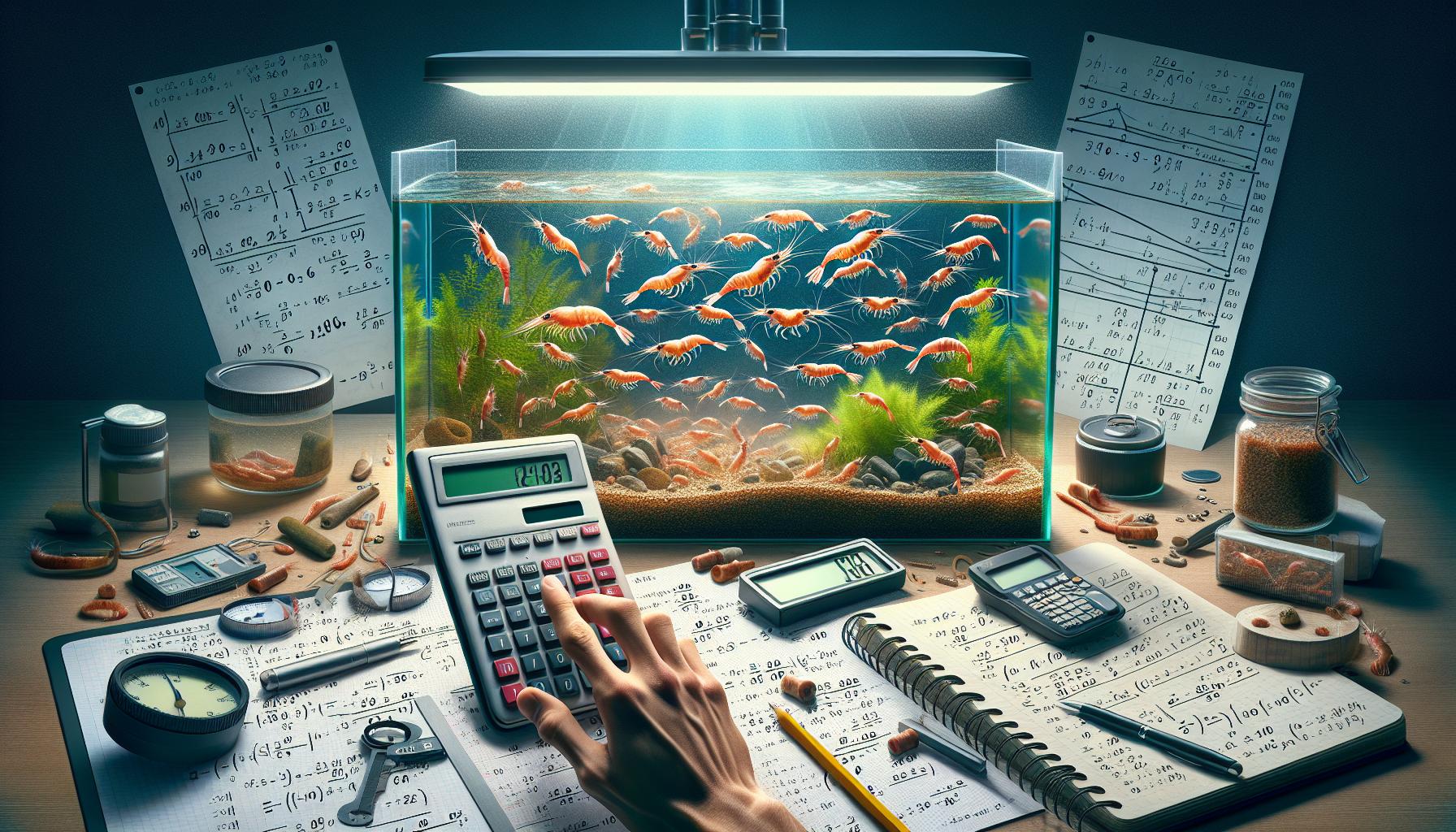
Calculating the Right Shrimp Density for a Healthy Aquarium
In the vibrant ecosystem of an aquarium, determining the ideal shrimp density is critical for ensuring a thriving environment. Shrimp are not only visually captivating but also play a vital role in maintaining water quality by scavenging uneaten food and decaying organic matter. However, introducing too many shrimp into your tank can lead to overcrowding, stressing the animals and degrading their habitat, which ultimately affects their health and longevity.
To calculate the right shrimp density, a good rule of thumb is to allocate approximately 5 to 10 shrimp per gallon of water for healthy species such as Neocaridina and Cherry Shrimp. This density allows ample space for each shrimp to forage and exhibit natural behaviors without overpopulating their aquatic home. Factors to consider include:
- Tank Size: Larger tanks can accommodate more shrimp, while smaller tanks require stricter limitations.
- Filtration: A robust filtration system can support a higher shrimp population by maintaining clean and oxygen-rich water.
- Plants and Decorations: Increasing the number of aquatic plants and hiding spots can help create a comfortable habitat for shrimp and accommodate a greater number.
- Water Quality: Regular testing and maintaining appropriate levels of ammonia, nitrite, and nitrate are crucial; poor water conditions can limit shrimp population.
Example of Shrimp Stocking Based on Tank Size
| Tank Size (Gallons) | Recommended Shrimp Density (Shrimp) |
|---|---|
| 5 | 25 – 50 |
| 10 | 50 – 100 |
| 20 | 100 – 200 |
| 30 | 150 – 300 |
| 55 | 275 – 550 |
By monitoring the shrimp’s behavior and the overall tank environment, adjustments can be made to optimize shrimp density. For example, if you notice excessive waste buildup or behavioral stress, it may be a signal to reduce the shrimp population or enhance tank maintenance. Keeping a careful balance allows aquarists to enjoy the full beauty of their shrimp while fostering an environment that encourages their natural habits to flourish.
Water Quality and Its Impact on Shrimp Populations
Understanding the significance of water quality is crucial for maintaining healthy shrimp populations in aquariums. Poor water conditions can lead to stress, disease, and even mortality among these sensitive creatures. Additionally, establishing a well-balanced aquatic environment not only promotes shrimp health but also enhances the overall aesthetics of your aquarium. In the quest for knowledge on figures such as “How many shrimp per gallon?” it’s important to remember that water quality plays a pivotal role in determining the success of your shrimp stocking strategy.
Key Water Quality Parameters
Several critical factors contribute to the water quality that shrimp require. These include:
- pH Levels: Most shrimp thrive in a pH range of 6.5 to 8.0. Regular monitoring is essential as fluctuations can harm both shrimp and plants.
- Temperature: Ideal temperatures for shrimp often range between 72°F and 78°F. Deviations can affect metabolic rates and stress levels.
- Ammonia and Nitrite Levels: Both substances should be kept as close to 0 ppm as possible. High concentrations are toxic and can quickly lead to shrimp death.
- Dissolved Oxygen: Healthy shrimp need sufficient oxygen to thrive. Aeration methods, such as filters or air stones, can help maintain adequate levels.
- Hardness and Alkalinity: Proper water hardness helps with molting, while sufficient buffering capacity protects against pH swings.
Assessing these parameters regularly will not only aid in the successful stocking of shrimp according to guidelines like “How many shrimp per gallon?” but also create a stable habitat that supports their natural behaviors.
Real-World Insight
Many aquarists find that maintaining consistent water quality is more effective than frequent water changes. This approach reduces stress on shrimp populations. Consider performing weekly tests for ammonia, nitrite, nitrate, and pH to quickly identify imbalances that could affect your shrimp. Implementing a quality filtration system tailored for shrimp tanks dramatically improves these conditions.
You can strengthen your aquarium’s ecosystem by introducing plants and beneficial bacteria that promote natural filtration processes. These living elements not only enhance the aesthetic value but also contribute to a balanced environment conducive to maintaining shrimp populations reliably.
In conclusion, while an understanding of practical stocking guidelines such as “How many shrimp per gallon?” is essential, prioritizing water quality measures will yield healthier, more vibrant shrimp. Investing time and resources into maintaining ideal water conditions creates a thriving aquatic ecosystem, ultimately leading to a more successful and rewarding aquarium experience.
Essential Tips for Maintaining a Balanced Shrimp Tank
Creating a thriving shrimp tank is a rewarding experience that can bring life and vibrancy to your aquarium. However, maintaining a balanced environment for your shrimp is crucial to their health and longevity. Understanding how many shrimp per gallon you can keep is just the beginning; ensuring that their habitat remains stable and conducive to growth is essential. Here are some that will help you achieve a flourishing aquatic paradise.
Water Quality Management
Maintaining optimal water quality is paramount. Regularly test for ammonia, nitrite, nitrate, pH, and hardness levels. Shrimp are particularly sensitive to spikes in ammonia and nitrite, which can be lethal in high concentrations. Aim for:
- Ammonia: 0 ppm
- Nitrite: 0 ppm
- Nitrate: Below 20 ppm
- pH: 6.5 – 8.0 (depending on shrimp species)
- Temperature: 70°F – 80°F
Utilizing a quality water testing kit will help you monitor these parameters, ensuring that your tank stays within the ideal range.
Regular Maintenance Tasks
To keep your shrimp tank thriving, implement a consistent maintenance routine that includes:
- Water Changes: Perform partial water changes of 10-20% weekly to maintain low nitrate levels and refresh vital minerals.
- Substrate Cleaning: Gently clean the substrate during water changes to avoid disrupting beneficial bacteria. Consider using a gravel vacuum to remove uneaten food and detritus.
- Filter Maintenance: Clean your filter every month to prevent clogging without washing off beneficial bacteria.
Pay attention to each shrimp’s behavior; lethargy or a lack of appetite can signal issues with water quality. Keeping a log of water parameters can also help identify patterns or recurring problems.
Habitat Enrichment
Creating a suitable environment is crucial for the health and happiness of your shrimp. Introducing various organic materials can simulate a natural habitat. Here are a few suggestions:
| Type of Material | Benefits |
|---|---|
| Driftwood | Provides hiding spots and is a food source for biofilm. |
| Live Plants | Enhances water quality, provides cover, and promotes biofilm growth. |
| Caves and Hiding Places | Helps reduce stress during molting and offers shelter from tank mates. |
| Leaf Litter (e.g., Indian Almond Leaves) | Offers food, shelter, and breeding surfaces while lowering pH. |
By incorporating these elements, you can create a multi-dimensional environment that supports not only shrimp but also beneficial microorganisms vital to the shrimp’s diet.
Establishing a balanced shrimp tank requires diligence and consideration of various factors. By maintaining water quality, establishing a regular maintenance routine, and enriching the habitat, you’ll promote a lively ecosystem that showcases the vibrant behaviors of your shrimp. Remember, the key to successful aquaristics is patience and observation, ensuring that you adjust your care practices as needed based on your tank’s ecosystem.
Common Mistakes in Shrimp Stocking and How to Avoid Them
Every shrimp enthusiast knows that the right stocking density is crucial for maintaining a healthy aquatic environment. However, many newcomers to the hobby fall prey to common pitfalls that can lead to stress, disease, or even death among their crustacean companions. Addressing these frequent mistakes can help aquarists create a thriving ecosystem, ensuring their shrimp flourish within the confines of their tank. Here’s a closer look at what these mistakes are and how to sidestep them effectively.
Overstocking the Aquarium
One of the most prevalent errors in shrimp stocking requires an understanding of their specific space needs. Shrimp such as neocaridina or cardina can be sensitive to overcrowding. While it might be tempting to fill a newly acquired aquarium with as many shrimp as possible, doing so can lead to issues like poor water quality and increased competition for resources.
To help gauge your shrimp capacity, consider the following guidelines:
| Tank Size (Gallons) | Recommended Shrimp (Neocaridina) | Recommended Shrimp (Cardina) |
|---|---|---|
| 5 | 10-15 | 5-10 |
| 10 | 20-25 | 10-15 |
| 20 | 40-50 | 20-25 |
By adhering to these recommendations, you can maintain a balanced and healthy shrimp population in your aquarium.
Ignoring Water Conditions
Water parameters can significantly influence shrimp well-being, yet some aquarists overlook this vital aspect. Parameters such as temperature, pH, and ammonia/nitrite/nitrate levels must be monitored regularly. Poor water quality can spark aggression, stunted growth, or even fatalities.
To avoid this mistake, implement a routine for checking water parameters. Invest in a good quality water testing kit and initiate weekly checks, especially during water changes. Additionally, ensure your tank is properly cycled before adding shrimp. This process establishes beneficial bacteria that break down harmful wastes, creating a safer environment.
Failing to Research Species Compatibility
Compatibility between species should never be underestimated in shrimpkeeping. Some fish may view shrimp as a snack, leading to unfortunate outcomes. New aquarists sometimes introduce shrimp without considering which tank mates are safe.
Before mixing shrimp with other aquatic life, conduct thorough research. Some general rules include:
- Smaller fish like neon tetras or guppies are often compatible with shrimp.
- Bigger fish like cichlids or aggressive species should be avoided.
- Invertebrates can sometimes be beneficial, enhancing the ecosystem, but be cautious with predatory varieties.
By heeding these compatibility guidelines, you can create a balanced aquarium where all inhabitants thrive harmoniously.
Incorporating these tips can significantly enhance your shrimp stocking strategy. By avoiding common mistakes like overstocking, neglecting water conditions, and disregarding species compatibility, you can ensure a vibrant and healthy aquarium filled with lively shrimp. Implement these best practices to experience the joy and fulfillment of successful shrimpkeeping while maintaining the delicate balance necessary for their health and longevity.
Seasonal Considerations for Shrimp Care and Aquarium Management
Understanding the seasonal changes in temperature, light, and water chemistry is crucial for maintaining a healthy environment for your shrimp. Different species of freshwater shrimp can have varying preferences when it comes to their habitat, and these preferences can shift dramatically with the seasons. For aquarists eager to know, “How many shrimp per gallon?” it’s essential to consider these seasonal factors to ensure that you provide the optimal conditions throughout the year.
Temperature Regulation
Temperature is one of the most critical factors influencing shrimp health, and it can fluctuate significantly with the changing seasons. In warmer months, water temperatures may rise, potentially stressing shrimp and leading to molting issues or an increase in susceptibility to disease. In contrast, cooler months can lead to lower metabolic rates, impacting feeding and breeding activities.
To effectively manage temperature, consider the following tips:
- Use a reliable thermometer: Regular monitoring ensures the temperature remains within the optimal range for your specific shrimp species.
- Invest in a heater: If you live in a region with cold winters, a heater can help maintain a stable environment.
- Position your aquarium wisely: Keep your tank away from direct sunlight during summer to prevent overheating and use insulation during colder months.
Water Quality Management
With the changing seasons, the parameters such as pH, hardness, and ammonia levels can also experience fluctuations. Shrimp are highly sensitive to changes in water chemistry, particularly in terms of ammonia and nitrite levels, which can spike due to temperature changes affecting the cycling process.
Here’s how to maintain optimal water quality regardless of the season:
- Regular testing: Use comprehensive test kits to monitor essential parameters frequently.
- Perform partial water changes: Adjust the frequency and volume of water changes based on the season, increasing them during hotter months when more waste is produced.
- Consider seasonal feeding changes: As metabolism slows in cooler months, adjust feeding quantities to prevent uneaten food from degrading water quality.
Lighting and Photosynthesis
Lighting plays a pivotal role in the health of both shrimp and their aquatic plant companions. Seasonal variations in natural light can lead to changes in algae growth and the overall ecosystem of your aquarium. During longer summer days, algae can proliferate, impacting water quality and shrimp health.
To manage lighting effectively throughout the year:
- Adjust light duration: Maintain a consistent photoperiod of around 8-10 hours, varying it slightly throughout the seasons to mimic natural conditions.
- Invest in quality lighting: Utilizing LED lights that provide natural light spectra can aid in maintaining healthy plant growth and, in turn, stable shrimp habitats.
- Keep an eye on algae growth: Regularly clean your aquarium and remove excess algae to create a balanced ecosystem.
These considerations-temperature stability, water quality management, and proper lighting-are essential answers to the question of “How many shrimp per gallon?” The right environment will not only support the number of shrimp per gallon but also promote their overall health, ensuring a vibrant aquatic ecosystem year-round.
Enhancing Your Aquarium Environment for Happy Shrimp
Creating an inviting and stimulating habitat is essential for keeping shrimp healthy and thriving in your aquarium. These fascinating creatures not only add dynamic beauty to your aquatic environment but also contribute to its overall ecosystem. When planning your shrimp population, consider not just the quantitative aspect-like how many shrimp per gallon-but also the qualitative factors that can enhance their well-being.
Optimal Water Conditions
Maintaining ideal water parameters is crucial for shrimp health. Here are some essential conditions to monitor:
- Temperature: Most shrimp species thrive in temperatures ranging from 68°F to 78°F (20°C to 26°C). Consistency is key; avoid sudden temperature fluctuations.
- pH Level: Aim for a pH between 6.5 and 8.0. Regular water testing can help to identify any shifts in pH that could stress your shrimp.
- Ammonia and Nitrite Levels: Both should be at 0 ppm. Even trace amounts can be harmful to shrimp.
- Nitrate: Keep this level below 30 ppm for optimal shrimp health.
Providing Hiding Spaces and Structure
Shrimp are naturally shy creatures and require places to retreat during daylight hours or when they sense potential threats. Including various structures in your aquarium will not only create a more enriching environment for your shrimp but also contribute to the overall aesthetic of your tank.
- Live Plants: Floating plants, mosses, and rooted aquatic plants provide cover and grazing material for shrimp.
- Decorative Elements: Use caves, driftwood, and rocks to create hiding spots. Ensure that these materials are smooth to avoid injuring your shrimp.
- Substrate Matters: A fine substrate is preferable as shrimp enjoy sifting through it. Consider options like shrimp substrate with nutrients designed to promote beneficial bacteria growth.
Feeding Your Shrimp Properly
Proper nutrition is essential for the health and longevity of your shrimp. While they do scavenge, providing a balanced diet will enhance their colors and overall vitality.
- Commercial Foods: Use high-quality shrimp pellets or flakes specially formulated with the right nutrients.
- Supplemental Foods: Offer blanched vegetables like zucchini, spinach, and cucumber. These are an excellent source of fiber.
- Avoid Overfeeding: Only feed what your shrimp can consume in a few hours to maintain water quality.
In conclusion, by paying careful attention to the specifics of your shrimp’s environment, you can create a personalized habitat that considers the intricacies of aquarium stocking tips. The right balance of hiding spots, structural complexity, and optimal water conditions contributes to not just a lively aquarium but a thriving community of shrimp, enhancing your enjoyment of this beautiful hobby.
Future Outlook
As you venture into the fascinating world of shrimp keeping, remember the critical guideline of one shrimp per gallon as a starting point, adjusting based on your tank’s size and setup. Think about the shrimp species you choose, as their compatibility can make all the difference in maintaining a harmonious aquarium. Carefully monitor your water conditions and maintain effective filtration to ensure a thriving environment for your aquatic pets. Stocking isn’t just about numbers; it’s about creating a vibrant ecosystem. We encourage you to dive deeper into this rewarding hobby, experiment with different setups, and don’t hesitate to engage with fellow aquarium enthusiasts for further advice. Your journey into shrimp keeping can be both enjoyable and enriching-happy aquascaping!
