


Wondering how much water your hot tub will hold? Understanding the gallon capacity of your spa is crucial for maintenance, heating, and chemical balance. On average, a typical hot tub can range from 200 to 500 gallons, depending on size and design. Let’s dive into spa sizing facts that will help you get the most out of your relaxation experience.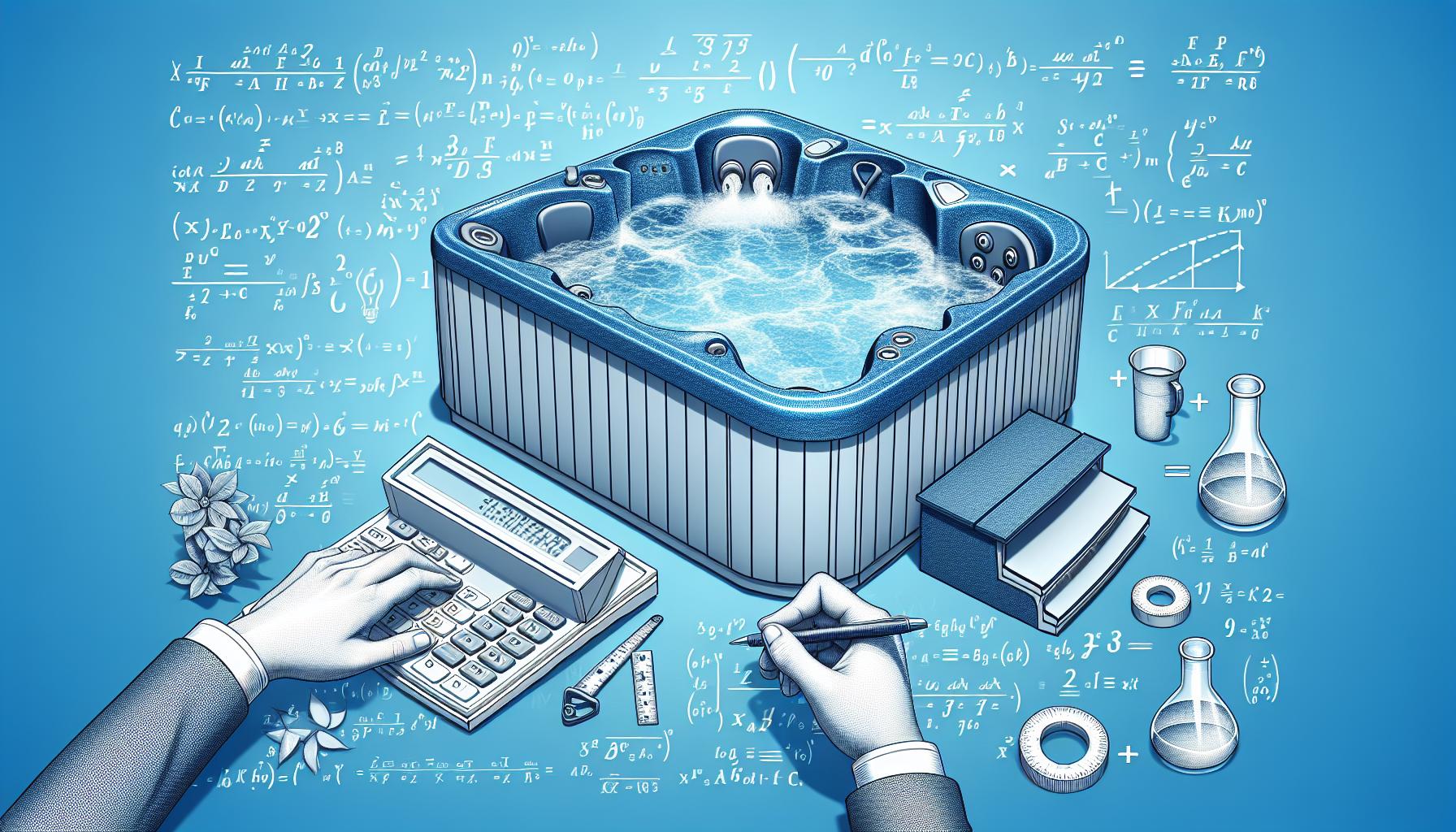
Understanding Hot Tub Capacities: What You Need to Know
When diving into the world of hot tubs, comprehending their capacities is crucial for making informed choices that enhance your relaxation experience. Did you know that the volume of water your hot tub holds can significantly affect maintenance, heating costs, and the overall enjoyment of your backyard oasis? Understanding how many gallons are in a hot tub provides you with insights not only into the financial commitment but also into how many friends or family members can join in the fun!
The Basics of Hot Tub Sizes
Hot tubs come in various sizes, often categorized by the number of people they accommodate, ranging from cozy two-person models to expansive 8-person spas. While the dimensions of a hot tub can give you an idea of its capacity, the true measure involves understanding the gallons it holds.
- Two-Person Hot Tubs: Approximately 250-400 gallons
- Four-Person Hot Tubs: About 350-550 gallons
- Six-Person Hot Tubs: Typically 450-800 gallons
- Eight-Person Hot Tubs: Can hold 600-1,200 gallons
Getting a handle on these figures helps you plan the amount of water and chemicals you’ll need, as well as give you a clearer idea of energy consumption for heating and filtering.
Factors Influencing Hot Tub Capacity
Beyond basic sizing, several factors influence how the gallons in a hot tub are measured and experienced:
- Dimensions: The length, width, and depth of the spa will naturally define capacity. Rectangular models generally hold more than round or oval ones.
- Water Level: The actual water level can vary based on the number of users. Always maintain the recommended level for optimal operation.
- Additional Features: Features like benches, jets, and other installations may also affect total volume and user experience.
Calculating Your Hot Tub’s Capacity
If you’re considering a hot tub purchase or simply want to understand your current spa better, calculating its capacity can be straightforward. Use this formula to determine how many gallons are in a hot tub:
- Measure the dimensions of your hot tub (length, width, and average depth).
- Convert these measurements to feet (if they aren’t already).
- Use the formula: Volume = Length x Width x Depth x 7.48 (the constant 7.48 is the number of gallons in one cubic foot).
For example, a hot tub measuring 6 feet long, 5 feet wide, and 3 feet deep would hold approximately 6 x 5 x 3 x 7.48 = 224.4 gallons.
Understanding these foundational elements about hot tub capacities empowers you to make better decisions, whether it’s choosing the right size, planning for maintenance, or preparing for an impromptu gathering with friends. Knowing how many gallons are in a hot tub provides clarity, ensuring you can dive into the relaxation without a care in the world!
Factors That Influence Spa Size and Water Volume
When considering the ideal hot tub for your space, understanding the factors that influence size and water volume is key to making an informed choice. Did you know that the average hot tub can hold anywhere from 200 to over 500 gallons of water? This significant variation can impact not just your initial investment but also the maintenance, energy consumption, and overall experience you can expect. Let’s explore the essential elements that determine spa size and water volume, helping you confidently navigate your decision.
Space Availability
One of the primary influences on a hot tub’s dimensions is the amount of space you have. Consider the following points when evaluating your backyard or patio space:
- Installation Area: Measure the area where you plan to install the hot tub, taking into account surrounding structures, trees, and other obstacles.
- Access and Mobility: Ensure there’s sufficient room to maneuver during delivery and maintenance. Hot tubs often need space around them for safe operation.
- Desired Capacity: Think about how many people you want to accommodate regularly. Larger spas capable of seating 6-8 individuals will naturally require more space and a greater water volume.
Design and Features
The design and functionality of a hot tub directly affect its size and volume. Various features can play a role in determining your spa’s capacity:
- Seating Arrangement: Different hot tub models offer diverse seating configurations, impacting the overall size. For instance, loungers take up more space than standard seats.
- Jets and Waterfalls: More jets might lead to a larger tub as they require specific placements to ensure optimal water circulation and comfort.
- Additional Features: Items like built-in LED lighting, stereo systems, or Wi-Fi connectivity can also affect dimensions and subsequently the water volume needed.
Water Levels and Efficiency
Proper water volume is not just about physical space; it’s also related to usage patterns and maintenance perspectives:
- Hydrotherapy Considerations: If you’re using your hot tub for therapeutic purposes, a larger unit may be beneficial for multi-user sessions, ensuring you have the volume needed for proper immersion.
- Heat Retention: Hot tubs with larger water volumes can take longer to heat up, impacting energy consumption. Look for models with superior insulation features to mitigate this.
- Maintenance Considerations: More water means more time and effort for maintenance. Consider the balance between convenience and the effort required to keep a larger hot tub clean and safe.
By carefully assessing these factors, you can ensure that the chosen hot tub perfectly fits your lifestyle, outdoor space, and personal preferences. Understanding how they interplay not only enhances your home project but also empowers you to take the next steps with confidence, ensuring a splashing success in your spa journey!
Common Hot Tub Shapes and Their Water Requirements
Understanding the different shapes of hot tubs is crucial not only for aesthetic preferences but also for practical considerations, including space management and water requirements. A hot tub’s shape directly influences its water capacity, which is vital for maintenance and operation costs. Knowing how many gallons are in various hot tub styles can help you make informed decisions when choosing the perfect spa for your home.
Popular Hot Tub Shapes and Their Capacities
Different hot tub shapes accommodate varying numbers of users and come with distinctive water capacity specifications. Here’s a quick overview of common hot tub shapes and their typical water requirements:
| Shape | Typical Capacity (Gallons) | Average Dimensions (ft) | Ideal for |
|---|---|---|---|
| Round | 250 – 600 | 5-8 Diameter | Socializing, couples |
| Rectangle | 300 – 600 | 6-8 x 5-7 | Families, entertaining |
| Square | 400 – 800 | 7-8 x 7-8 | Groups, relaxation |
| Corner | 300 – 500 | 5-7 x 5-7 | Small spaces, cozy gatherings |
Round hot tubs, known for their friendliness and communal feel, typically hold between 250 to 600 gallons. Their shape is great for social interaction, making them perfect for small gatherings with friends or family. Conversely, rectangular hot tubs can generally store 300 to 600 gallons and provide versatile seating arrangements, making them ideal for families or larger groups.
Square hot tubs often come with a capacity ranging from 400 to 800 gallons, providing ample space for relaxation and ensuring there’s room for everyone. The corner shape, designed for snug spaces, usually accommodates about 300 to 500 gallons, which allows for cozy evenings without taking up too much outdoor area.
Considerations for Water Maintenance
When selecting a hot tub, it’s essential to understand that its shape not only affects capacity but also impacts water maintenance. Larger tubs require more water and, consequently, more chemicals to maintain clean and safe conditions. Here are some key factors to consider:
- Water Changes: Regularly changing the water helps maintain hygiene, so larger tubs may need to be drained and refilled less often.
- Heating Costs: The more water you have, the higher the energy costs for heating; consider this when calculating your budget.
- Chemical Use: A greater volume of water will require proportional amounts of sanitizing chemicals; understanding this will help you budget for maintenance.
By understanding how hot tub shapes influence water capacity, you can confidently choose the right one for your needs, making enjoyable soaks a reality while managing maintenance effectively. Whether you’re hosting a lively weekend party or seeking a peaceful retreat after a long day, the right hot tub can create the perfect setting tailored to your lifestyle.
How to Calculate the Gallons in Your Hot Tub
To gauge the proper maintenance, chemical balancing, and heating needs for your hot tub, knowing the number of gallons it holds is essential. While it may seem like a daunting task, calculating the volume of your spa can actually be straightforward, empowering you with the knowledge to make informed decisions about your hot tub usage and care.
The formula for determining the volume in gallons generally depends on the shape of your hot tub. For common shapes like rectangular, round, or oval, follow these simple calculations:
Calculating Volume by Shape
- Rectangular Hot Tubs: Measure the length, width, and depth (in feet). The formula is:
Length (ft) × Width (ft) × Depth (ft) × 7.48 = Gallons - Round Hot Tubs: Measure the diameter of the tub and the depth. The formula is:
Radius (ft) × Radius (ft) × Depth (ft) × 3.14 × 7.48 = Gallons - Oval Hot Tubs: Measure the length, width, and depth. The formula is:
Length (ft) × Width (ft) × Depth (ft) × 3.14 × 7.48 = Gallons
It’s worth noting that 7.48 is the number of gallons in a cubic foot, which is why this figure is used in the calculations.
Example Calculation
To illustrate, let’s say you have a rectangular hot tub that is 6 feet long, 3 feet wide, and 2.5 feet deep. Plugging those numbers into the formula would look like this:
| Measurement | Value (ft) |
|---|---|
| Length | 6 |
| Width | 3 |
| Depth | 2.5 |
| Total Gallons | 6 × 3 × 2.5 × 7.48 = 134.7 Gallons |
With a bit of measuring and some straightforward calculations, you can easily find out the total volume of your hot tub. Now that you know , you’ll have the confidence to manage water chemistry and maintenance like a pro, ensuring that your spa experience is as enjoyable as it is relaxing.
Tips for Choosing the Right Hot Tub Size for Your Space
When it comes to creating the ultimate relaxation oasis in your backyard, selecting the right hot tub size is crucial. Did you know that hot tubs can range from compact two-person models to luxurious, spacious versions that accommodate a crowd? Understanding how many gallons are in a hot tub is just the beginning; finding the perfect fit for your space and lifestyle will ensure you enjoy your investment for years to come.
Assess Your Available Space
Before diving into choices, take a moment to measure your outdoor area. Consider not just the hot tub’s footprint, but also additional space for access and safety. A well-placed tub can enhance your outdoor experience, while a cramped spot can lead to frustration. Use these dimensions to help narrow down your options:
- Width and Length: Ensure you account for extra space around the tub for maintenance and seating.
- Height: Consider any overhead obstructions like trees, power lines, or overhanging structures.
- Access Points: Ensure pathways and gates can accommodate the tub’s delivery, especially for larger models.
Consider Your Lifestyle Needs
Think about how you plan to use the hot tub. If you’re a social butterfly who entertains frequently, a larger model that holds 6-8 people might be ideal, allowing you to host memorable gatherings. Conversely, if you envision quiet, intimate evenings, a two- to four-person hot tub may better suit your needs. Here’s a quick look at how many gallons are typically found in different hot tub sizes:
| Hot Tub Size | Average Capacity (Gallons) | Ideal Users |
|---|---|---|
| Small (2-3 Person) | 150-300 | Couples or small families |
| Medium (4-5 Person) | 300-450 | Families or small gatherings |
| Large (6+ Person) | 450-800 | Parties and entertainment |
Factor in Maintenance and Efficiency
Larger hot tubs not only hold more water but also require more energy to heat and maintain. A full understanding of how many gallons are in a hot tub will help you anticipate how much water you’ll need and the associated costs. If energy efficiency is a priority, look for units designed with insulation that can reduce heating costs over time. Additionally, think about the ease of upkeep. Smaller models may mean less chemical balancing and easier cleaning, which can save you time and effort.
By carefully considering your space, lifestyle, and maintenance preferences, you’re not just choosing a hot tub-you’re investing in an experience. Equipped with this knowledge, you can confidently select a hot tub that fits your needs and enhances your outdoor living space.
The Importance of Water Chemistry in Hot Tub Maintenance
Ensuring the right chemistry in your hot tub water is crucial for both safety and comfort. Proper water chemistry not only enhances your relaxation experience but also extends the life of your hot tub. A well-maintained hot tub requires diligent monitoring of chemical levels such as pH, alkalinity, and sanitizer, which collectively prevent harmful bacteria growth, minimize scale buildup, and maintain clarity.
One of the first steps in hot tub maintenance is understanding how to test your water. Regularly using a test strip or a liquid testing kit can help you monitor key levels:
- pH Levels: Ideally, the pH should be between 7.2 and 7.8. Higher or lower levels can irritate skin and eyes, and may lead to equipment damage.
- Alkalinity: This should be maintained between 80-120 ppm to stabilize the pH level and prevent fluctuations.
- Chlorine/Bromine Levels: Maintain chlorine levels between 3-5 ppm, or bromine levels between 4-6 ppm, to effectively sanitize the water.
Regular balancing of these elements is particularly important, especially in larger hot tubs where volume can affect concentration. If you’ve ever wondered about how much water your spa holds, knowing the gallons in your hot tub helps tailor your chemical adjustments to your specific needs.
Real-World Example
For instance, a hot tub that holds 400 gallons requires a different approach than one holding 200 gallons. If the pH level in your 400-gallon tub is too high, adding the appropriate amount of pH decreaser requires precise measurement based on your water volume. In contrast, a smaller tub will necessitate proportionately smaller adjustments. Understanding these dynamics empowers you to keep your spa inviting and safe.
Ultimately, mastering hot tub water chemistry plays a pivotal role in client satisfaction and operational longevity. By applying the information from resources like “How Many Gallons Are in a Hot Tub? Spa Sizing Facts,” homeowners can confidently manage water quality and enjoy their spa experience to the fullest. Regular maintenance routines, including sanitation and chemical balancing, are not just tasks; they are essential steps toward ensuring a safe and enjoyable environment for all bathers.
How Temperature and Usage Impact Water Volume
Understanding how temperature and usage can affect water volume in your hot tub is essential for maintaining an enjoyable experience. Many hot tub owners may not realize that the way they use their spa combined with the surrounding environment can significantly alter how much water it holds and its overall performance.
Hot tubs typically have a maximum water capacity that can be affected by several factors. When you fill your hot tub, it’s important to account for the water that will be displaced when users enter. On average, a person can displace approximately 7 to 8 gallons of water. So, if you’re using the hot tub with a few friends or family members, you need to adjust your calculations accordingly. For example, if your spa holds 400 gallons, adding four adults can reduce the water level by around 30 gallons due to displacement. This means that, after everyone is settled in, your effective water volume can drop significantly, affecting your hot tub’s heating efficiency and overall enjoyment.
Temperature’s Role in Water Volume
The temperature of the water can also play a critical role in your hot tub experience. Warm water can evaporate more rapidly, especially if it’s extremely hot outside. If you’re planning to use your hot tub during warmer months, consider the following:
- Frequent use: Regular users can expect an increase in evaporation rates, especially if you run the hot tub at a higher temperature.
- Cover usage: Always use a quality cover when your hot tub is not in use to minimize evaporative loss. A well-fitted cover can help retain heat and ensure that the water level stays more consistent.
- Temperature adjustments: Keeping the water at a lower temperature when not in use can reduce evaporation, thus maintaining water volume in the long run.
The impact of temperature on water volume isn’t just about evaporation; it can also affect how much water you’ll need during a soak. After a simmering evening soak, it’s also likely that you’ll need to add a few gallons back to compensate for evaporative loss and ensure you’re always at a comfortable level. Keeping a log of your hot tub usage can help track how much water you typically add after usage, allowing you to make proactive adjustments to maintain the ideal balance in your spa.
By understanding these factors-usage patterns, water displacement, and temperature effects-you can confidently manage your hot tub’s water volume. This knowledge not only ensures a more enjoyable soaking experience but also contributes to the longevity and efficiency of your hot tub system.
Planning for Your Hot Tub Installation: Sizing Considerations
When considering the addition of a hot tub to your home, understanding its size and capacity is crucial to ensure you select a model that fits both your lifestyle and your space. A standard hot tub typically holds between 200 and 1,000 gallons of water. This variance plays a significant role in everything from installation logistics to maintenance costs. You want to choose a hot tub that not only accommodates the number of users but also fits harmoniously within your outdoor environment.
Understanding Capacity and Usage
Begin by assessing how you plan to use your hot tub. If you’re envisioning tranquil evenings for two, a smaller model might suffice. However, if your goal is to host gatherings with friends or family, a larger model capable of seating six or more may be necessary. Here are some considerations to guide your selection:
- Intended Use: Determine whether it’s primarily for relaxation, therapy, or socializing.
- Number of Users: Acknowledge typical user numbers and any future gatherings you might host.
- Space Availability: Assess the physical area where the hot tub will be placed, factoring in clearance for entry, maintenance, and aesthetics.
Space Planning
Analyzing available space is another pillar of effective hot tub planning. Make sure to measure your intended installation area to confirm that it can accommodate the dimensions of your chosen hot tub, along with additional space needed for access pathways. This can prevent future complications or the need for extensive modifications to your layout.
| Hot Tub Size | Seating Capacity | Approximate Volume (Gallons) |
|---|---|---|
| Small | 2-3 | 200-400 |
| Medium | 4-5 | 400-600 |
| Large | 6-8 | 600-1,000 |
Ultimately, making informed choices about hot tub sizing will not only enhance your enjoyment but also streamline the installation process and make maintenance more manageable. Understanding how many gallons are in a hot tub relative to its size and usage will empower you to create the perfect oasis in your own backyard. Now is the time to delve into your options and visualize the joy and relaxation a well-sized hot tub can bring to your home.
The Way Forward
In conclusion, understanding how many gallons your hot tub holds is essential for effective maintenance and enjoying your spa experience to the fullest. From the average sizes of various hot tub models to the factors that affect water capacity, we’ve covered the key points to empower you in assessing your spa. Remember, knowing your hot tub’s volume can aid in balancing chemicals and optimizing your enjoyment. We encourage you to dive deeper into your spa journey-explore our additional resources, connect with fellow hot tub enthusiasts, or even consider your next home project. Your oasis of relaxation awaits!


